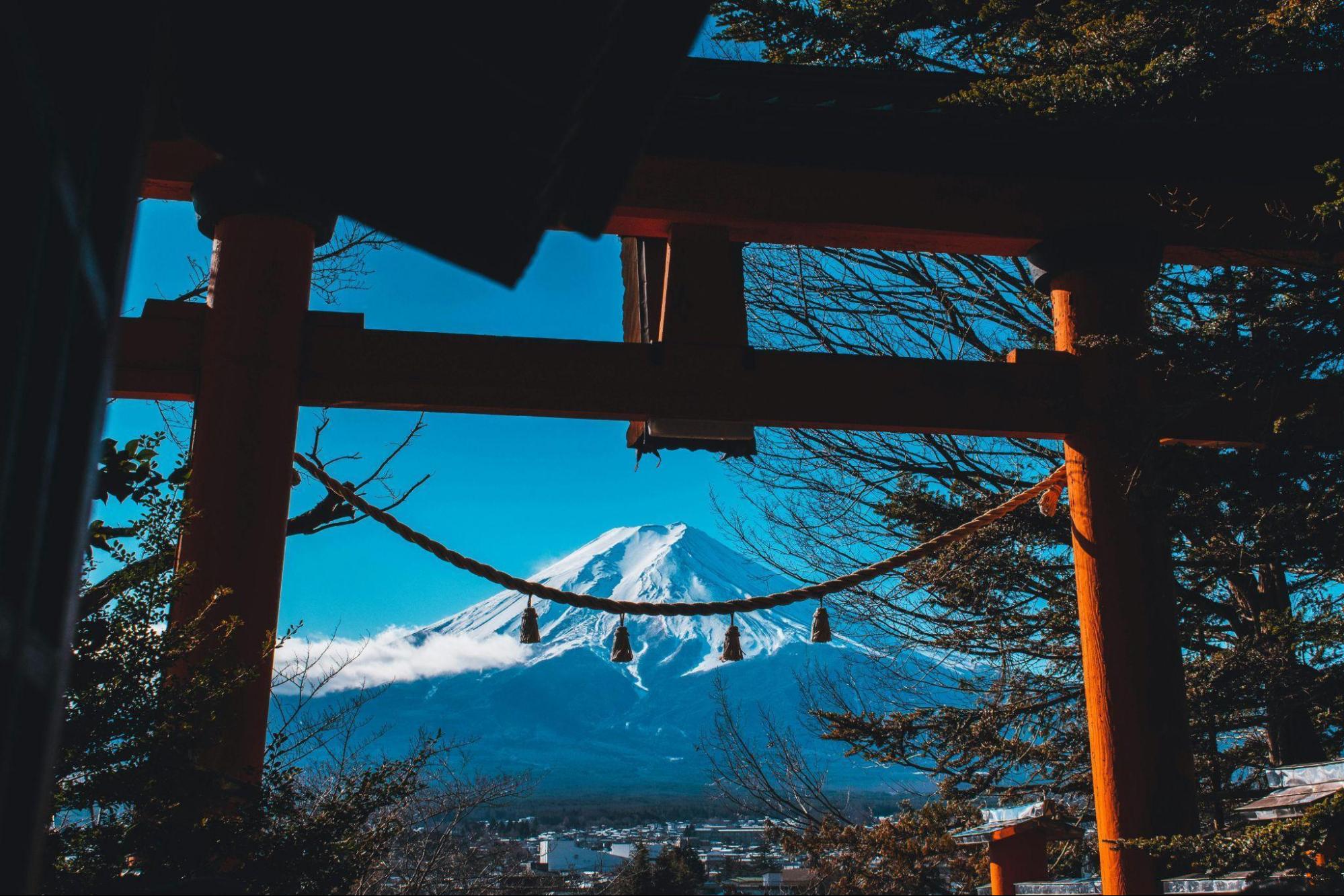
Japan’s Mt. Fuji is breathtaking yet elusive, often obscured by clouds and mist. It’s visible from Tokyo on clear days, but visibility is limited and varies by location and season. Catch it at the right moment for a stunning photograph; otherwise, you may see only a wall of grey.
From our experience organising Mount Fuji day trips from Tokyo, this guide is your blueprint for a successful visit. It covers the best routes, the right time to go, viewpoints worth your time, and the importance of how you travel, which matters just as much as when you go.
Is a Mount Fuji Day Trip From Tokyo Actually Realistic?
Yes, a day trip from Tokyo to Mt. Fuji is possible and worth considering. With 2 to 3 hours of travel each way, you’ll have about 5 to 6 hours to explore, which is enough to see why it is often called the best day trip from Tokyo for iconic views. What causes disappointment isn’t the schedule; it’s trying to cram in too many stops, or arriving to find the mountain buried behind clouds.
That second part is worth taking seriously. Mt. Fuji has earned the nickname “the shy mountain.” Many visitors make the Tokyo to Mount Fuji day trip and never see it at all. Visibility depends heavily on season, time of day, and weather, and the mountain doesn’t cooperate on demand. We recommend planning around that reality, not against it.
Should You Climb Mt Fuji or Tour Around It?
Before booking a Mt. Fuji Day Tour, clarify the type of experience you want. These trips are very different.
Climbing Mount Fuji
Climbing Mount Fuji is not a casual Tokyo day trip. The official climbing season is generally from early July to early September, and trails are closed outside that window. Depending on the route and pace, the ascent can take about 5 to 10 hours, while the descent is usually faster. Many climbers do an overnight hike, stay in a mountain hut, and aim to reach the summit to see the sunrise.
- Best suited for: hikers who want a physical challenge and can commit to two full days.
Touring Around Mount Fuji
A tour focuses on trips to beautiful sights, lakeside villages, and famous postcard images. This includes Mount Fuji reflected in still waters, surrounded by cherry blossoms or autumn colours. You can enjoy this experience in a single day without needing any special fitness or equipment.
- Best suited for: first-time visitors, families, photographers, and anyone planning a Mount Fuji day trip with limited time.
What Most First-Time Visitors Choose
Most first-timers go for the touring option, and the majority head straight to the Fuji Five Lakes region (Fujigoko). Of the five lakes, Lake Kawaguchiko is the most accessible and delivers the views you’ve seen in photos: Mt. Fuji reflected in still water, framed by seasonal colour.
A guided day trip to Mount Fuji is the default choice for a reason: transport, timing, and stop selection are sorted before you even leave Tokyo. Tours also have a practical edge in terms of visibility. Guides track conditions and adjust timing to give you the best shot at clear skies.
DIY is entirely doable, but it takes more upfront research and real-time decision-making on the day, especially if the weather shifts.
If you want maximum flexibility, a private tour goes a step further; your driver can reroute mid-trip to chase better conditions rather than sticking to a fixed schedule. Our Mt. Fuji Hakone one-day tour does exactly this, with experienced drivers who know the best viewpoints and the best timing.
Getting to Mount Fuji From Tokyo: Your Best Day Trip Options
There are four main ways to get to Mount Fuji from Tokyo for a day trip, each with different trade-offs on cost, convenience, and flexibility.
1. By Train: Scenic but Requires Planning
The Fuji Excursion limited express runs from Shinjuku Station to Kawaguchiko Station, with no transfers required. On clear days, Mount Fuji is visible from the window for much of the journey.
- Journey time: Approximately 2 hours from Shinjuku Station
- Cost: From ¥4,200 one way
- Best for: Travellers booking ahead who want a scenic ride
- Keep in mind: Seats sell out fast, especially on weekends and during peak seasons. Without a reservation, you may have to stand in the non-reserved car or switch to a slower train that requires a transfer. Book via JR East or Klook as early as possible to secure your trip.
2. By Highway Bus: Direct and Affordable
Highway buses also run directly from Tokyo-area stations such as Shinjuku, Shibuya, and Tokyo Station to Kawaguchiko. This is often the cheapest option and a strong choice for budget travellers planning to visit Mount Fuji.
- Journey Time: Approximately 2-3 hours from central Tokyo (longer with traffic)
- Cost: From ¥2,200 for adults and ¥1,100 (one way)
- Best for: Budget travellers who don’t mind a flexible schedule
- Keep in mind: Traffic during the autumn foliage season or during Golden Week, Japan’s cluster of national holidays from late April to early May, can stretch the return journey. Book return tickets early if you’re planning a day trip.
3. By Rental Car: Freedom With Caveats
A rental car allows you to explore different stops at your own pace. You can visit remote viewpoints near Mt. Fuji that buses do not reach. Car rental services are available at major airports, train stations, and city centres. Companies like Toyota Rent a Car, Nippon Rent-A-Car, and Orix Rent-A-Car operate nationwide, and most also offer online advance booking.
- Journey time: Approximately 2 hours from central Tokyo, depending on route and traffic
- Cost: Varies by vehicle class and season. Typical rental fees range from ¥7,500 to ¥20,000, depending on car size. Budget for the rental, petrol, expressway tolls, parking, and optional ETC (Electronic Toll Collection), which lets you pass toll gates without stopping and is usually available as an add-on.
- Best for: Travellers who want to visit multiple spots on a day trip, including quieter lakes like Saiko and Shojiko that sit outside the main tourist route
- Keep in mind: You’ll need a valid driver’s licence and either an International Driving Permit issued under the 1949 Geneva Convention or an official Japanese translation if you’re from Belgium, France, Germany, Monaco, Switzerland, or Taiwan. Bring your passport and a credit card, and check individual rental companies for minimum age requirements.
4. By Private Tour: Easiest and Most Flexible
Private day tours to Mount Fuji take care of transport, timing, and where to stop. A local driver navigates crowds and adjusts routes based on conditions.
- Journey time: Approximately 2-3 hours from central Tokyo
- Cost: Varies by itinerary and group size
- Best for: First-time visitors, families, and anyone who wants a stress-free trip without navigating public transport or making real-time decisions on the road
- Keep in mind: Itineraries are fully adjustable. If conditions change, your driver can reroute on the spot. JST Holiday’s Mt. Fuji Hakone one-day tour includes hotel pickup and can be paired with a Tokyo city tour before or after.
When You’re Most Likely to See Mount Fuji Clearly
Mount Fuji’s visibility is influenced by seasonal weather patterns, so timing your visit can improve your chances of a clear view.
The Best Months for Clear Views
While Mt. Fuji has its own peak viewing months, understanding the best time to go to Japan overall will help you plan your entire day trip itinerary.
- December to February: Best visibility, with dry air and a snow-capped summit that makes Mt. Fuji look especially photogenic.
- October to November: Great visibility with beautiful autumn foliage in the foreground.
- March to April: Cherry blossoms add charm, but the weather can change more frequently.
- June to August: This is typically the worst time to view because humidity and summer weather reduce visibility. It’s better for climbing than for sightseeing.
Time of Day Matters
Starting your trip early in the morning or late afternoon is usually the best time to see Mt. Fuji. As the day progresses, cloud cover can increase, and conditions can change rapidly. Starting early from Tokyo gives you the best chance for a clear view.
How to Check Visibility Before You Go
Check live webcams and the forecast on fuji-san.info the night before and again the morning of your trip to Mt. Fuji. The site shows a visibility rating out of 10. If the forecast looks poor, we would consider rescheduling, as a long day trip under grey skies can be disappointing.
What Happens If It’s Cloudy?
Clouds can hide just the summit or cover the entire mountain. Some tours will still proceed on a fixed schedule regardless of Mt Fuji’s visibility. In contrast, private tours usually have more flexibility to switch viewpoints, wait for better conditions, or redirect to a lakeside village or market to make the most of your day trip.
What to Do Around Mount Fuji in One Day
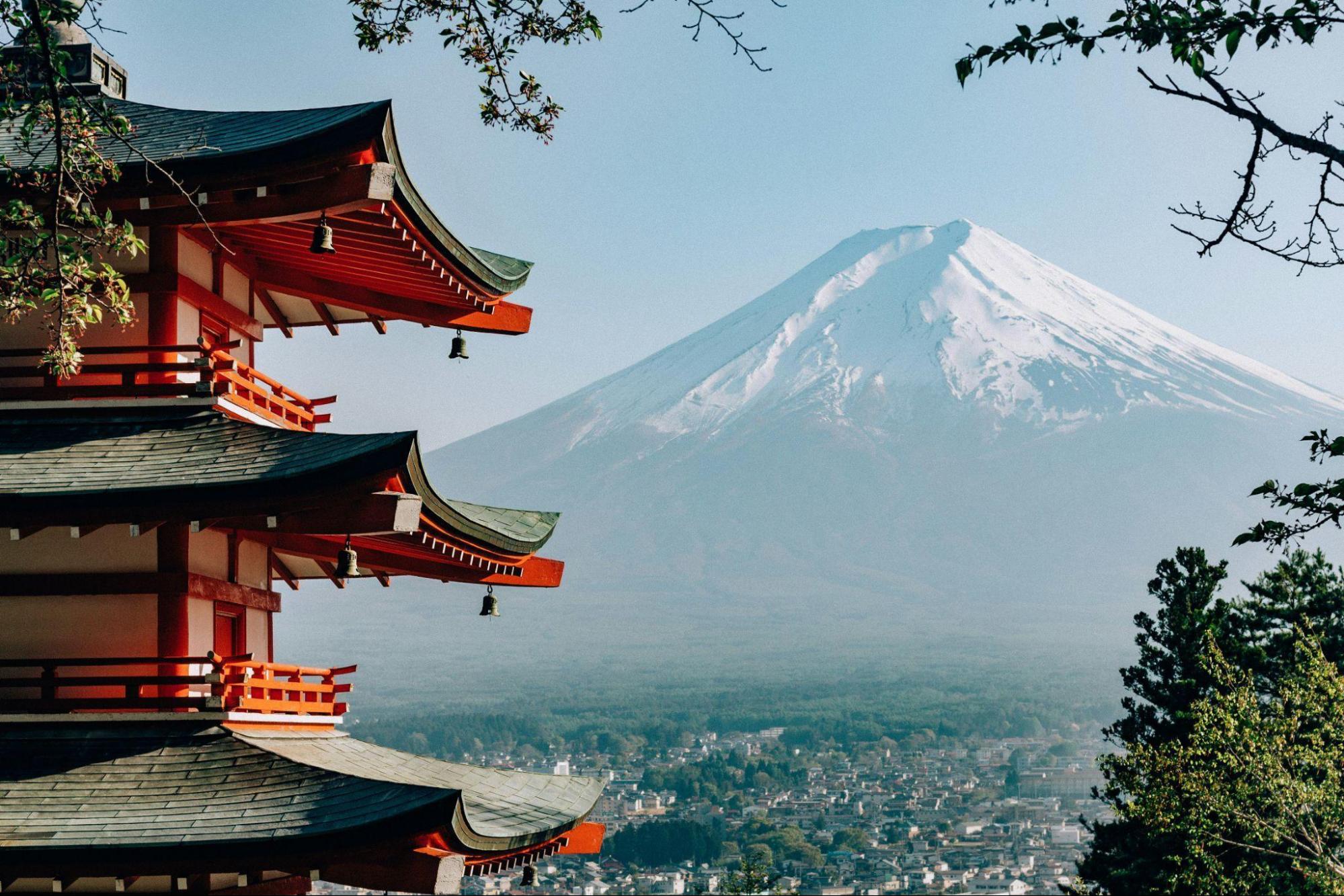
Here are the best stops for a Mount Fuji day trip, along with everything you need to know before you arrive.
1. Chureito Pagoda at Arakura Sengen Shrine
Chureito Pagoda is one of the most famous viewpoints of Mt. Fuji. It is a five-story red pagoda situated in front of the mountain. It looks especially stunning during cherry blossom season, which typically falls in early to mid-April in the Fuji area. The pagoda is also a beautiful trip highlight in autumn when the leaves change colour.
- Getting there: approximately a 20 to 30 minute walk from Shimoyoshida Station.
- Time required: 1 to 2 hours
- Opening hours: Open 24/7
- Entry fee: Free
- Tip: Our advice is to arrive early on a weekday to make the most of the day. Clouds build by mid-morning, and crowds follow shortly after.
2. Oishi Park on Lake Kawaguchiko
Oishi Park is a lakeside flower park on the northern shore of Lake Kawaguchiko, known for seasonal blooms and clear views of Mt. Fuji.
- Getting there: A short drive or a bus from Kawaguchiko Station.
- Time required: 30 to 60 minutes
- Opening hours: Open 24/7; however, the nearby Kawaguchiko Natural Living Centre operates between 9:00 AM and 5:45 PM, reduced to 5:15 PM during the winter season from October through February.
- Entry fee: Free
- Tip: Make your day trip even better with a local soft-serve ice cream and handmade jams at the adjacent Natural Living Centre.
3. Oshino Hakkai Village
Oshino Hakkai is a cluster of eight spring ponds in Oshino Village. They are fed by snowmelt from Mt. Fuji, which has been filtered through volcanic rock over many years.
- Getting there: From Fujisan Station, take the Fujikyu Bus bound for Lake Yamanaka; the ride takes about 15 minutes. From Kawaguchiko Station, take a Fujikyu Bus to Uchino or Lake Yamanaka; the day trip takes about 25 minutes. Travellers from Tokyo should expect about 2.5 to 3 hours by highway bus to Kawaguchiko, plus a local bus connection.
- Time required: 45 to 60 minutes
- Opening hours: 9:00 AM to 5:00 PM
- Entry fee: The village itself is free to walk around; a ¥300 fee for the museum/indoor exhibit
4. Saiko Iyashi-no-Sato Nemba
A reconstructed traditional village on the northwest shore of Lake Saiko, featuring 20 thatched kabuto-zukuri houses, a tea house, craft workshops, and a restaurant. Noticeably less crowded than Kawaguchiko.
- Getting there: around a 20-minute drive from Kawaguchiko.
- Time required: 45 to 90 minutes
- Opening hours: Open daily from 9:30 AM to 4:30 PM, with last entry at 4:30 PM (March to November); from 9:00 AM to 4:30 PM, with last entry at 4:00 PM (December to February).
- Entry fee: ¥500 for adults and ¥250 for children
- Tip: We recommend making time for the matcha and dango at the tea house.
5. Mount Fuji 5th Station
Mount Fuji’s Subaru Line 5th Station is the highest point accessible by road on the mountain’s northern side, at around 2,300 meters. It offers close-up views of Mt. Fuji, plus shops, food, and a shrine area.
- Getting there: approximately a 50-minute drive from Kawaguchiko, making it an easy trip addition if you’re already in the area.
- Time required: 30 to 60 minutes
- Opening hours: Vary seasonally; check the official Mt. Fuji Climbing site before you go.
- Entry fee: Free, but climbers must pay the official Mt. Fuji hiking fee during the climbing season.
- Note: The road closes in winter due to snow. On those days, stick to lakeside viewpoints instead.
6. Mt Fuji Panoramic Ropeway (Kachi Kachi Yama)
A short cable car ride from the shore of Lake Kawaguchiko up Mount Tenjo, with wide views of Mt. Fuji and the lake below. At the top, you’ll find the Rabbit Shrine, the Bell of Tenjo, and a tea house where you can enjoy local snacks.
- Getting there: About a 15 to 20-minute walk from Kawaguchiko Station.
- Time required: The trip takes around 1 hour, or longer if you have to wait in line.
- Opening hours: 8:30 AM to 17:00 PM (Last descent 17:20 PM) ; 8:30-18:00 PM (Last 18:20) (for July 20th – August 31st)
- Entry Fee: ¥1,000 round-trip ; ¥600 one way
- Tip: This stop is best on clear days. The elevated viewpoint provides a much better view across the lake toward Mt. Fuji.
Sample Mt Fuji Day Trip Itinerary (Private Tour)
| Time | Destination |
| 7:30 AM | Hotel pickup in Tokyo |
| 9:30 AM | Chureito Pagoda (1.5 hrs; best light, fewer crowds) |
| 11:15 AM | Mt Fuji 5th Station (45 min, seasonal) |
| 1:00 PM | Lunch near Lake Kawaguchiko |
| 2:15 PM | Oishi Park (45 min) |
| 3:15 PM | Oshino Hakkai Village (1 hr) |
| 4:15 PM | Depart for Tokyo |
| 6:45 PM | Hotel drop-off |
Note: This sample itinerary can be adjusted based on your preferences and weather conditions.
Why Private Tours Can Make All the Difference
While group tours offer structure, a private day trip from Tokyo provides real-time flexibility.
If Mount Fuji is hidden, your driver can quickly locate a better viewpoint. Unlike strict group schedules, private tours let you change your itinerary. You can spend more time at Chureito Pagoda or even skip a stop. Enjoy smooth door-to-door service without the hassles of public transport.
Final Tips for First-Time Visitors
A Mount Fuji day trip is absolutely doable with the right planning, realistic expectations, and a bit of flexibility on the day. Even a brief visit can be very rewarding.
Ready to see Japan’s most famous mountain on your terms? Explore JST Holiday’s private day trip from Tokyo and design the day to fit your preferences.
Frequently Asked Questions About a Mount Fuji Day Trip From Tokyo
How much should I budget for a Mt. Fuji day trip?
Costs depend on how you travel and what you do on the day. For a self-guided trip, factor in round-trip transport from Tokyo, local buses around the lakes, entry fees for paid attractions, and meals. A guided group tour bundles most of this into one price. A private Mt. Fuji tour costs more but covers transport, routing, and flexibility that public options can’t match.
Do I need to speak Japanese to visit Japan independently?
No, you don’t need to know Japanese to visit Japan. Major transit hubs, buses, and signage in the Fuji Five Lakes area include English. Google Maps handles train and bus navigation well, and Google Translate’s camera function is useful for reading menus or signs. That said, if you’re heading to smaller villages or need help on the road, having your hotel write down key addresses in Japanese is a practical backup.
Is Mt. Fuji accessible for children or elderly travellers?
Yes, for sightseeing trips. The main viewpoints around Lake Kawaguchiko, Oishi Park, and Oshino Hakkai are flat, paved, and manageable for a day out with most ages. Climbing the summit is a different matter entirely and is not recommended for young children or those with limited fitness.
What should I pack for a Mt. Fuji day trip?
Here are a few essentials worth packing:
- A windproof and waterproof jacket: The weather at the mountain base shifts quickly and is cooler than Tokyo.
- Comfortable, grip-friendly shoes: Chureito Pagoda and some village paths involve uneven ground and stairs.
- Sun protection: Sunscreen, sunglasses, and a hat. UV exposure increases with altitude.
- 1 to 1.5 litres of water and snacks. Options thin out as you move away from the main tourist areas.
- Japanese cash in coins: Restrooms and smaller food stalls often require it.
- Your passport: Japanese law requires you to carry it at all times.
Is it worth going to Mt. Fuji if the forecast looks cloudy?
It depends on what you’re hoping to get out of the visit. If a clear view of the summit is your primary goal, heavy cloud cover is likely to make the day trip feel underwhelming. Mt. Fuji is well known for its unpredictable visibility, and conditions on the mountain do not always match Tokyo’s forecast.
That said, the Fuji Five Lakes region is worth the trip. Oshino Hakkai, Saiko Iyashi-no-Sato Nemba, and the lakeside villages are rewarding stops on their own.
Do I need to book transport from the airport separately?
Yes. Your Mt. Fuji day trip transport and your airport transfer to Tokyo are two separate bookings. It’s worth sorting both before you arrive.