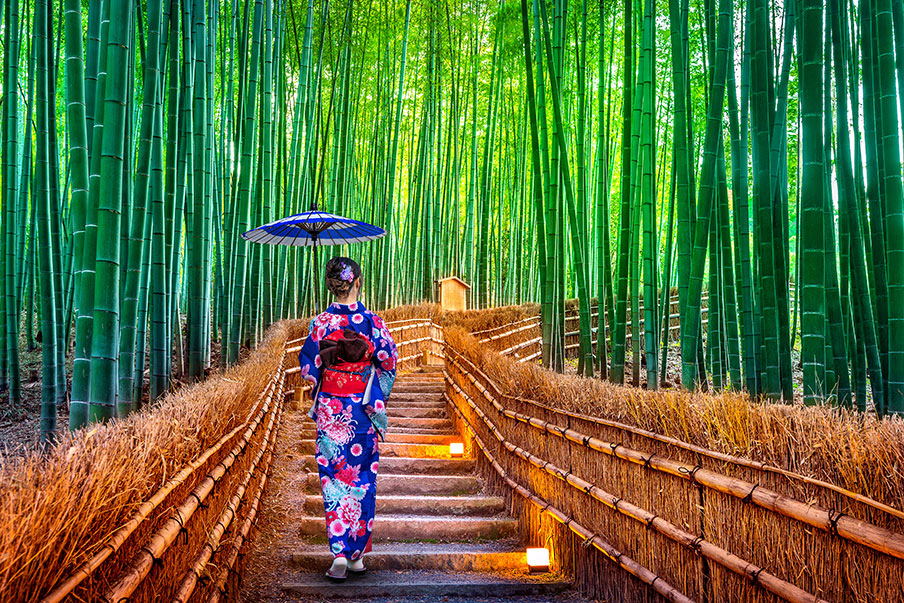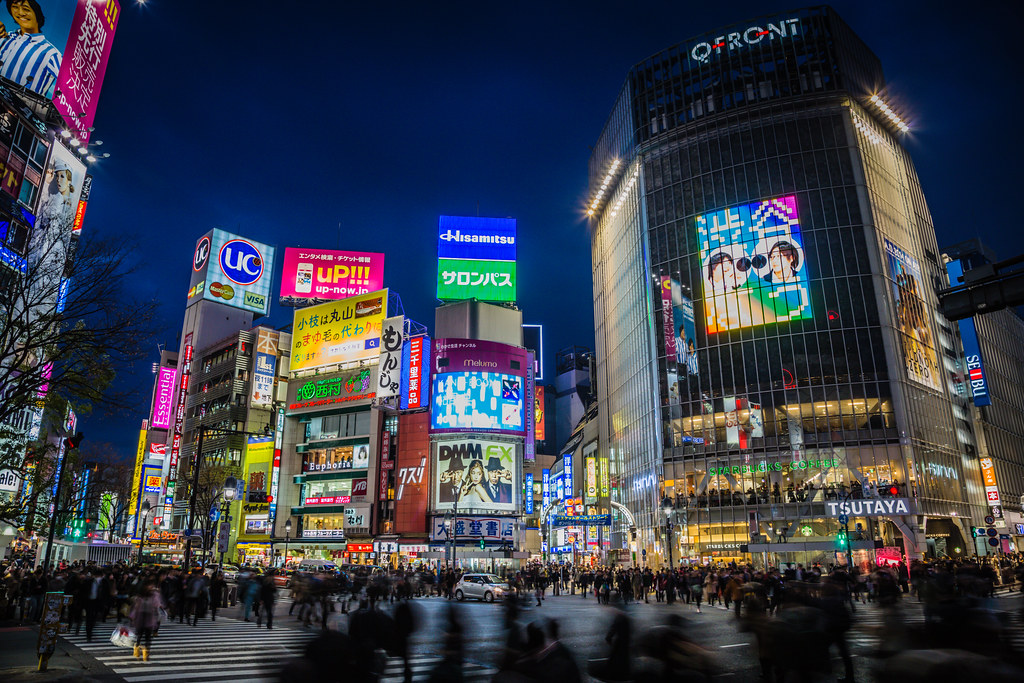
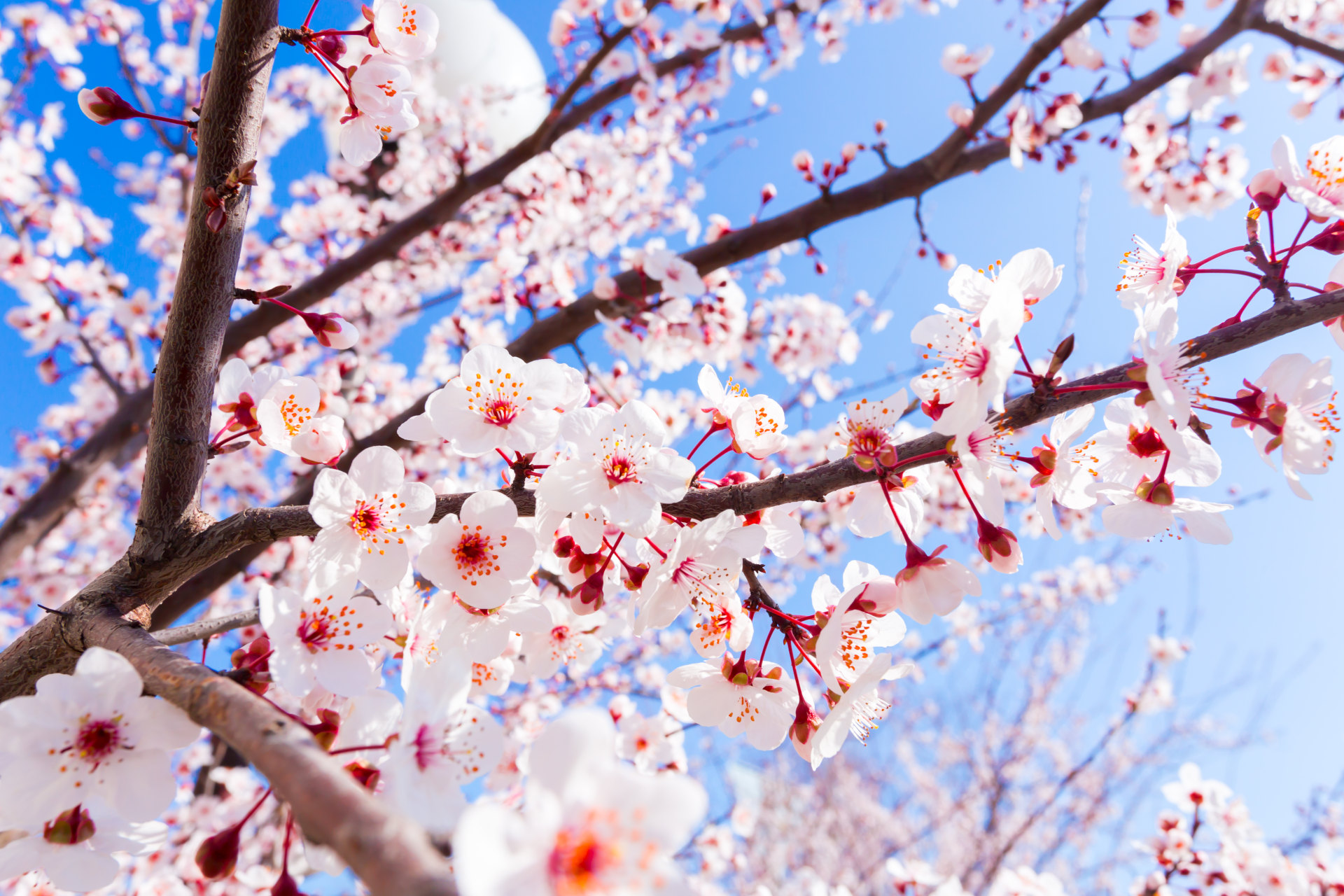
Japan is a year-round destination, offering something new every season. Spring brings cherry blossoms and mild weather, while the best time to go to an onsen is in winter.
With so many choices, it’s no surprise that one of the most common questions first-time travellers ask is: when is the best time to go to Japan? With so much information online, it’s easy to feel overwhelmed and unsure which season actually suits your trip best.
The truth is, the “best” time depends on your weather preferences, crowd tolerance, seasonal highlights, and travel style. This guide keeps things simple and tailored, so you can choose the right season based on what you want to see and do in Japan.
Spring (March to May) – Cherry Blossoms and Mild Weather
Spring is best known as cherry blossom (sakura) season, which usually peaks from late March to early April. Alongside the beautiful flowers, travellers can also expect pleasant temperatures, clearer skies, and seasonal festivals that make the whole trip into a once-in-a-lifetime special memory.
Recommended Locations and Activities
- Tokyo: Ueno Park and Chidorigafuchi for cherry blossom viewing, plus riverside walks along the Meguro River
- Kyoto: The Philosopher’s Path lined with cherry trees, and Maruyama Park near Gion for evening blossom viewing
- Osaka: Osaka Castle Park for wide-open hanami spaces and a relaxed picnic vibe
- Mount Fuji area: Kawaguchiko for cherry blossoms with mountain views, if weather permits
Travel Recommendations
- Book early, as spring is peak season and accommodation sells out fast
- Expect busier transport and attractions, so efficient routing matters more than ever
- For crowded areas like Tokyo and Kyoto, private day tours are an option if you want flexibility, comfort, and smoother travel
Summer (June to August) – Festivals, Green Landscapes, and Local Life
Summer in Japan is often overlooked by first-time visitors, but it offers a completely different side of the country. This season is packed with lively matsuri festivals, fireworks displays, and lush green scenery that makes rural Japan feel especially refreshing. Just try to avoid major destinations like Kyoto and Tokyo, where the summer heat is at its peak.
Recommended Locations and Activities
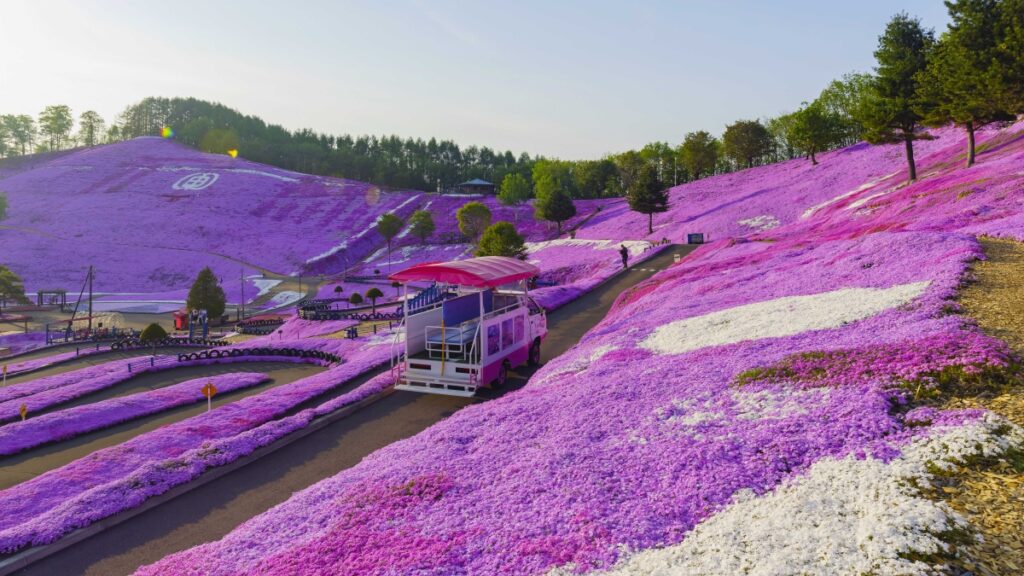
- Hokkaido: Cooler temperatures compared to central Japan, plus flower fields in Furano and Biei
- The Japanese Alps (Nagano, Takayama): Mountain scenery, fresh air, and a slower-paced escape from city heat
Travel Recommendations
- Start sightseeing early to avoid the hottest part of the day
- Balance city sightseeing with nature-based destinations for a more comfortable trip
- Choose summer if you enjoy cultural festivals and want fewer international crowds than peak spring and autumn
Autumn (September to November) – Fall Colours and Comfortable Travel
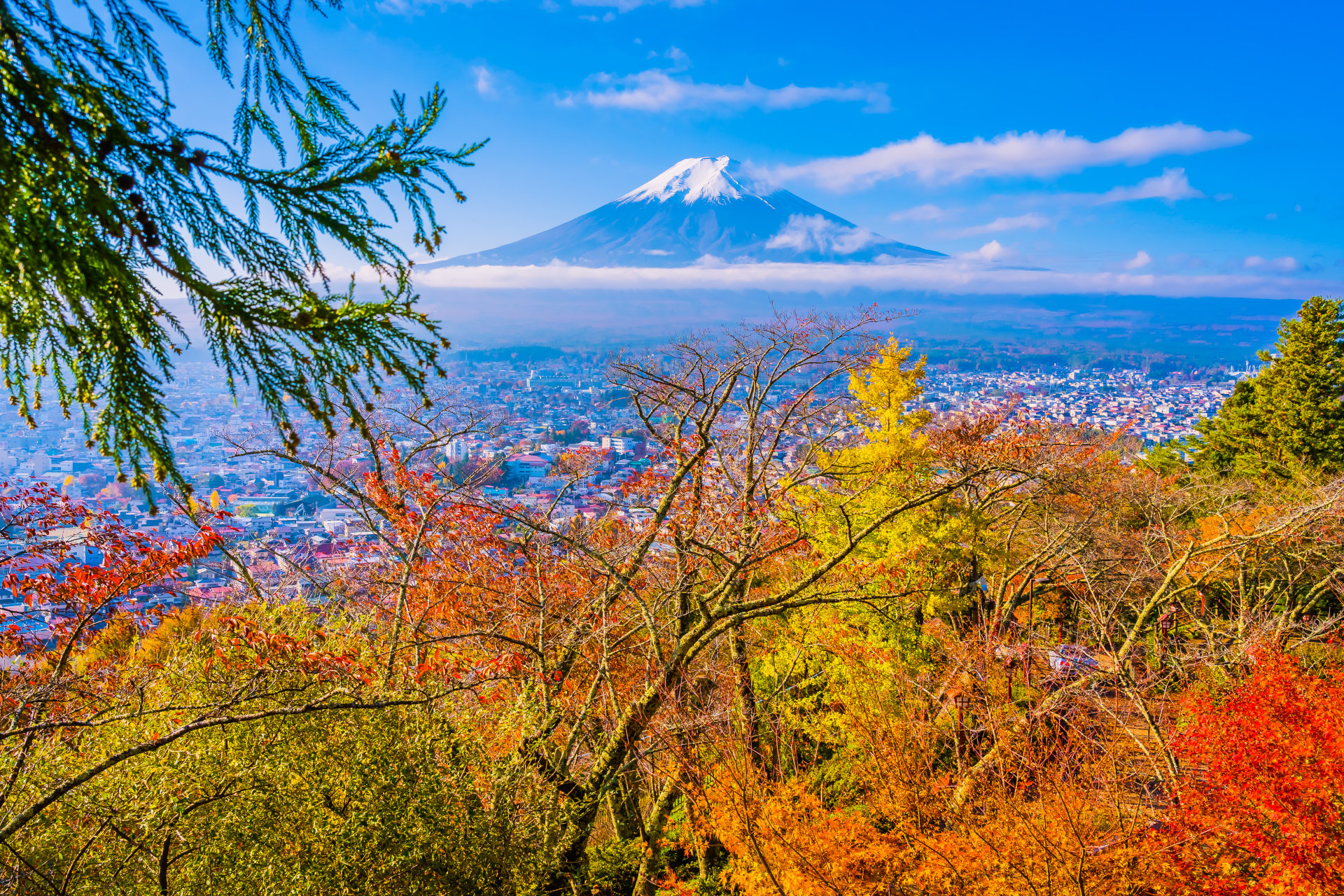
Autumn is often considered one of the best times to visit Japan, especially for travellers who want beautiful scenery without the peak-season intensity of spring. The weather is cooler and less humid, and the autumn foliage (koyo) transforms cities and countryside into stunning shades of red, orange, and gold.
Recommended Locations and Activities
- Kyoto: Tofuku-ji and Eikan-dō for iconic autumn leaves paired with traditional temple views
- Nikko: Lake Chuzenji and surrounding forests for a scenic nature-filled day trip from Tokyo
- Hakone: Lake Ashi with fall colours, plus the chance to take in Mount Fuji views on clearer days
Travel Recommendations
- Plan around foliage timing, as peak colours vary by region and elevation (late October to mid-November is a reliable window for autumn scenery in many areas)
- Autumn is ideal for relaxed sightseeing and scenic day trips without rushing
Winter (December to February) – Snow, Hot Springs, and Fewer Crowds
Winter is an underrated season in Japan, but it can be one of the most rewarding times to visit, especially for travellers who enjoy quieter sightseeing and seasonal experiences. Expect snow-covered landscapes in the north, cosy hot spring escapes, and fewer crowds at major attractions outside ski destinations.
Recommended Locations and Activities
- Hokkaido: Sapporo Snow Festival, skiing, and snow activities for a full winter wonderland experience
- Nagano: Jigokudani Monkey Park to see snow monkeys soaking in hot springs
- Hakone: Hot springs with winter scenery, perfect for a relaxing day trip from Tokyo
- Tokyo and Kyoto: Clear winter days with fewer crowds at temples, shrines, and iconic sightseeing spots
Travel Recommendations
- Winter is best for travellers who want snow scenery, seasonal food, and calmer sightseeing
- Pack warm layers, as winter in Japan is very cold and it snows in many regions
- Enjoy better value and smoother travel outside peak holiday periods, while still benefiting from Japan’s efficient transport system
When Is the Best Time to Go to Japan?
The best season to visit Japan depends on what you want your trip to feel like. Instead of choosing purely based on popularity, match the season to your travel priorities and what you want to see and experience.
- For first-time visitors seeking classic sights, go in spring or autumn, when the weather is mild and the scenery feels “iconic Japan”. This is also the easiest time to plan comfortable day trips like a Kyoto day tour for temples and seasonal streetscapes.
- For travellers chasing Mount Fuji views, go in autumn or winter because skies are often clearer and visibility is better than humid summer months. Book a Mt Fuji-Hakone day trip for mountain scenery, Lake Ashi views, and onsen relaxation without feeling rushed.
- If you just want to shop, go in summer or winter as there will be fewer crowds in the cities and electronics hubs like Akibahara are open all year-round. However, those looking to bring regional specialities like dried foods or limited-time snacks home should aim for autumn instead.
- For festival and cultural experience seekers, go in summer because Japan’s matsuri season is in full swing. Plan city-based day trips around major events like Tokyo fireworks festivals, or book a Hokkaido land tour package to experience nature without hitting the peak heat.
- For snow and winter activity enthusiasts, go in winter because it’s the best time for skiing, snow festivals, and snowy landscapes. Add in a Sapporo day trip to make the experience something truly unique.
If you’re wondering what month is the best time to go to Japan, most first-timers love late March to early April (cherry blossoms) or late October to November (autumn leaves), but the best choice always depends on your comfort level and priorities.
Conclusion – Choosing the Right Season Makes All the Difference
Japan truly has no “wrong” season, but the right season for you can turn a good holiday into an unforgettable one.
So, when is the best time to go to Japan? It’s the time that matches your ideal weather, pace, and travel style.
Once you’ve picked your season, the next step is planning your Japan trip your way, without squeezing too much into one day or losing time figuring out transport. That’s where a private day tour can make all the difference, giving you a comfortable pace, flexible stops, and a smoother experience.
Ready to plan? JST Holiday is a Japan tour agency in Singapore offering private, customisable tours designed around your travel style.