Tokyo holds 23 wards and hundreds of neighbourhoods, and every one of them will try to convince you it’s the real Tokyo. The rail network runs 13 metro lines across the city, the station exits count in the hundreds, and picking where to stay can feel paralysing before you’ve even packed.
The good news: you don’t need to overthink it. Six neighbourhoods cover everything a first-time visitor wants from Tokyo, and the best area to stay in Tokyo depends entirely on what kind of trip you plan on having. This guide breaks down all six best places to stay in the capital of Japan, who they suit, and hotel picks across every budget, from capsule pods to ryokan-style stays to old-school glamour.
The Six Best Areas to Stay in Tokyo (And What Makes Each One Worth It)
Each of these districts gives you a different version of Tokyo. Pick the one that fits the trip you actually want.
1. Shinjuku: The Bright Lights and Late Nights Hub
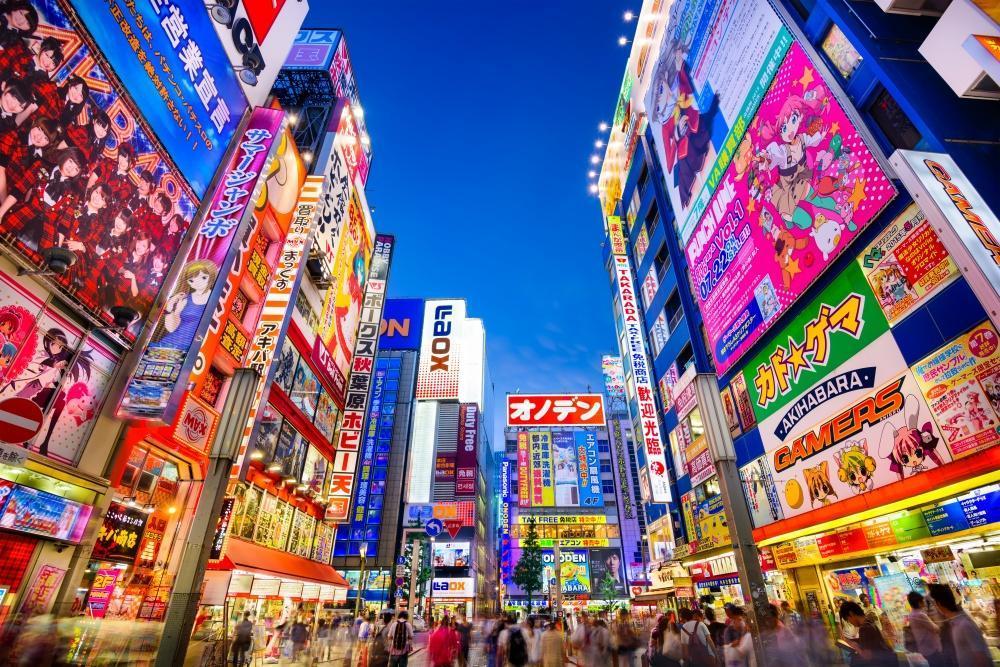
Shinjuku is Tokyo with the volume cranked. Neon signs the size of buses, ramen counters tucked under railway bridges, and Golden Gai’s six-seater bars where the bartender remembers your drink by your second visit. Shinjuku Station has over 200 exits (yes, really) and serves as the gateway for trains heading to Mt Fuji and beyond.
| Why Stay Here | Why It Might Not Be for You |
|
– Excellent JR and Metro access citywide – Endless dining, shopping, and nightlife on foot – Strong base for trains to other regions |
– Notoriously confusing station – Kabukicho can feel seedy at night – Crowded and chaotic at rush hour |
Best for: Solo travellers, nightlife seekers, and budget-minded first-timers wanting a central base.
2. Asakusa: The Traditional Tokyo Experience
Asakusa is old-school Tokyo with all its charm intact. Senso-ji draws the crowds in the day, but wander one street back, and you’ll find sweet potato shops, sake stands, and paper lanterns hanging from facades that look like they haven’t moved in a century. This location is also where you’ll find Tokyo’s best ryokan stays without leaving the city.
| Why Stay Here | Why It Might Not Be for You |
|
– Temples, shrines, and traditional streets at your doorstep – Calmer evenings and a slower pace – More affordable than western Tokyo – Easy access to Tokyo Skytree and Ueno |
– Further from Harajuku, Shibuya, Shinjuku – Senso-ji is packed shoulder-to-shoulder by mid-morning |
Best for: Culture lovers, families, ryokan seekers, and anyone wanting a traditional first taste of Japan.
3. Tokyo Station and Marunouchi: The Business and Bullet Train Hub
If your itinerary includes Kyoto, Osaka, or Kanazawa, this is the best location to stay in Tokyo for bullet train convenience. Tokyo Station puts the entire shinkansen network within rolling-suitcase distance, the Narita Express terminates right here, and the surrounding Marunouchi district hides some of the country’s most impressive luxury hotels behind its sleek corporate facade.
| Why Stay Here | Why It Might Not Be for You |
|
– Best base for Shinkansen and multi-city travel – Direct Narita Express to the airport – Home to Aman, Mandarin Oriental, HOSHINOYA |
– Business district, calmer after office hours – Less neighbourhood charm |
Best for: Business travellers, luxury seekers, and anyone with early bullet train departures.
4. Shibuya: The Best All-Rounder for First-Timers
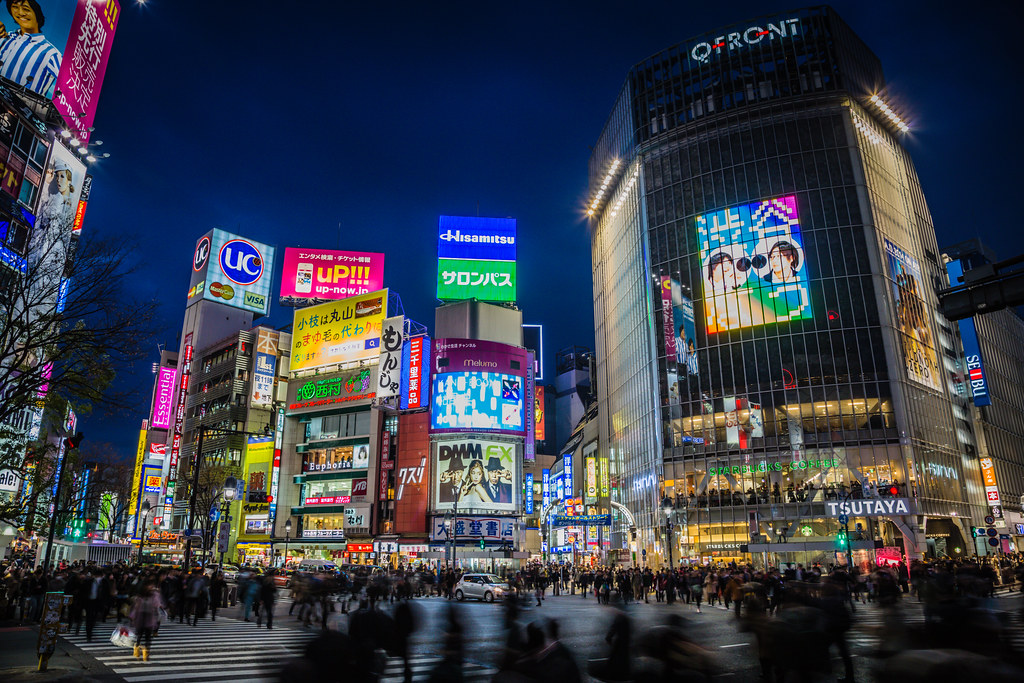
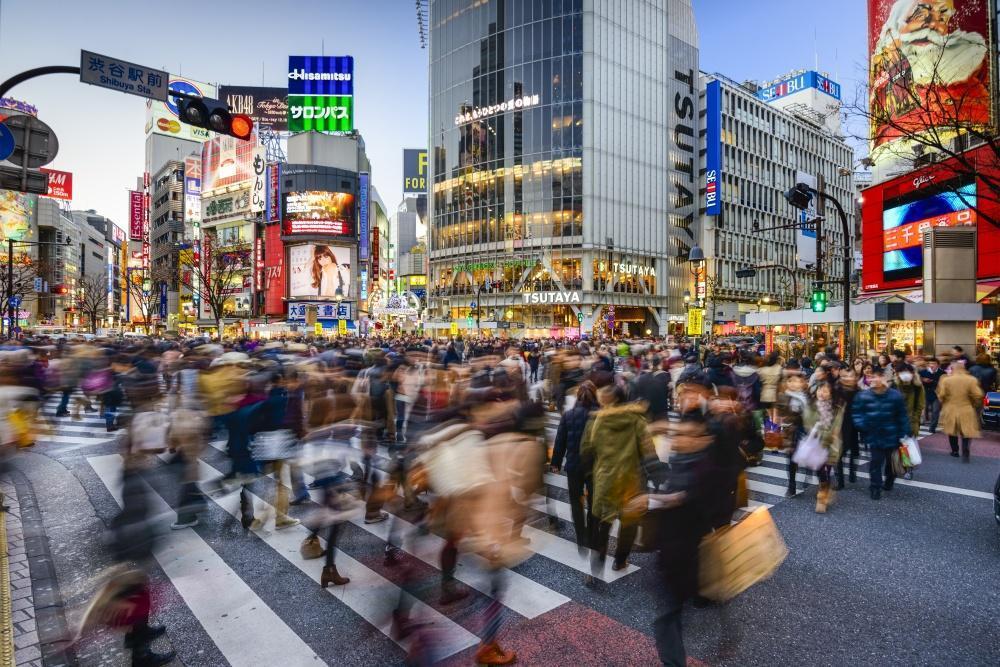
Shibuya is the Tokyo you’ve seen in films, music videos, and probably your Instagram feed. The Scramble Crossing pushes over 3,000 people across the road every light cycle, and the surrounding streets are a happy chaos of vinyl shops, izakayas, sneaker shrines, and karaoke towers. From here, you can walk to Harajuku, Omotesando, Yoyogi Park, and Meiji Shrine without taking a train.
| Why Stay Here | Why It Might Not Be for You |
|
– Walkable to Harajuku, Yoyogi, Meiji Shrine – Hotels at every budget – Lively without Shinjuku’s late-night edge – More English spoken |
– Touristy and crowded near the station – Pricier than Asakusa or Ikebukuro |
Best for: First-time visitors, couples, and anyone wanting a balance between energy and accessibility.
5. Ginza: Upscale Shopping and Dining
Ginza is Tokyo dressed for a date night, and it knows it. Chanel and Louis Vuitton flagships stand shoulder to shoulder with century-old sushi counters, and the department stores hire staff who bow as the lifts close behind you. Tsukiji Outer Market is also a short walk away for early seafood breakfasts, and Tokyo Station is a comfortable stroll for shinkansen days. So, for anyone deciding which area to stay in Tokyo for food and a touch of luxury, Ginza is hard to argue with.
| Why Stay Here | Why It Might Not Be for You |
|
– Immaculate streets and very safe – Excellent restaurants and grown-up nightlife – Close to Kabuki-za Theatre |
– Most expensive area overall – Less of a local neighbourhood feel |
Best for: Foodies, luxury travellers, couples, and business travellers.
6. Ikebukuro: The Underrated Local Favourite
North of Shinjuku and a fraction of the tourist density, Ikebukuro is where actual Tokyoites shop, eat, and hang out after work. Sunshine City mall does double duty as a city in itself, Otome Road is the female-focused counterpart to Akihabara’s anime scene, and hotel prices are noticeably gentler on the wallet.
| Why Stay Here | Why It Might Not Be for You |
|
– Cheaper than Shibuya or Shinjuku – Less crowded with a local feel – Good access to northern Tokyo |
– Further from central attractions – More transport hub than walking neighbourhood |
Best for: Budget travellers, anime fans, and travellers seeking a local-feeling base off the main tourist trail.
Are Tokyo Hotels Expensive? What to Actually Expect
Tokyo has a reputation for being eye-watering, but with the yen still weak, a 4-star in Marunouchi can cost less than a 3-star in Singapore or Sydney. Most first-timers walk away pleasantly surprised, especially after they realise the breakfast buffet alone is worth half the room rate. Whatever your budget, there are good-value places to stay in Tokyo at every price point.
Rough nightly guide for Tokyo in 2026:
- Budget hostels and capsules: ¥2,000 to ¥6,000
- Business hotels: ¥7,000 to ¥20,000
- Mid-range city hotels: ¥20,000 to ¥40,000
- Upscale 4 to 5-star: ¥40,000 to ¥80,000
- Luxury and ryokan flagships: ¥80,000+
A couple of things to know before you book.
- Tokyo rooms run smaller than Western standards even at the top end, so when your “double” room turns out to be the size of a generous walk-in wardrobe, that’s normal, not a downgrade.
- Japan’s business hotel chains (Sotetsu Fresa, Tokyu Stay, Mitsui Garden) punch hard above their price tag and are absolute gems for mid-range travellers.
- And one piece of timing advice: prices spike hard during cherry blossom (late March to mid-April), Golden Week, Obon (mid-August), autumn foliage in November, and New Year, while the cheapest months tend to be February, late May, June, July, September, and early October.
Pro Tip: Book three to six months ahead for peak seasons. Japan sells out faster than ramen at midnight.
3 Best Hotels in Shinjuku for First-Time Visitors
Shinjuku is one of the most popular areas to stay in Tokyo for first-time visitors, and these three cover every budget.
- Sotetsu Fresa Inn Higashi-Shinjuku (Budget): Directly across from Higashi Shinjuku Subway Station, with two on-site restaurants covering both Western and Japanese breakfast at Royal Host and Chinese dishes at Bamiyan. Free WiFi, 24-hour front desk, and direct subway access to Roppongi, Yoyogi, and Tsukiji Market. A 10-minute walk to Isetan.
- Keio Plaza Hotel Tokyo (Upscale): Japan’s first-ever high-rise hotel, just 5 minutes from Shinjuku Station’s west exit. Nine restaurants, a sky bar on the 45th floor, an in-house sake bar, and a free shuttle to Disneyland. Sweeping Shinjuku skyline views from most rooms.
- Park Hyatt Tokyo (Luxury): The legendary Lost in Translation hotel still delivers Mt Fuji views, an indoor pool above the clouds, and service so smooth you’ll forget to check your phone.
3 Best Hotels in Asakusa for First-Time Visitors
If a traditional base is what you’re after, Asakusa is one of the best places to stay in Tokyo, and these three stays demonstrate why.
- Hotel Hokke Club Asakusa (Budget): Clean, well-equipped rooms with a full set of amenities, eight minutes from Asakusa Station and seven minutes from Kaminarimon Gate. Buffet breakfast runs from 6:30 am. Luggage can be forwarded to your next hotel or the airport, and there is a free business corner plus self-service laundry on site.
- Ryokan Asakusa Shigetsu (Mid-range): A 70-year-old ryokan five minutes from Asakusa Subway, steps from Nakamise-dori Street and Senso-ji. Rooms include yukata robes, tea sets, and mineral water. The Hinoki wood bath overlooks Tokyo Skytree, and both the male and female baths look out to Senso-ji’s Five-storied Pagoda. Direct subway access to Ueno, Shibuya, Ginza, and both airports.
- Onyado Nono Asakusa Natural Hot Spring (Upscale): Adults-only with a natural hot spring bath, sauna, and spa on site. Breakfast is a Japanese buffet with warm dishes, and a traditional restaurant handles the other meals. Free WiFi throughout, private bathrooms, city views, and a location 400 metres from Asakusa ROX and a three-minute walk from Edo Taito Traditional Crafts Centre.
3 Best Hotels Near Tokyo Station for First-Time Visitors
For the days you’ll be travelling by bullet train and early departures, this is the best location to stay in Tokyo, and the three picks below sit right on top of the action.
- Mitsui Garden Hotel Kyobashi (Mid-range): A 5-minute walk from JR Tokyo Station with modern air-conditioned rooms, flat-screen TV, and free WiFi. Ginza and the Tokyo International Forum are a 12-minute walk, and there’s free luggage storage at the 24-hour front desk, so you can explore light on arrival.
- The Tokyo Station Hotel (Upscale): The entrance sits right beside the Marunouchi South Exit. Rooms mix classical European décor with a minibar and electric kettle, and breakfast is a Japanese and European buffet with around 100 items. A French restaurant, stylish bars, a fitness centre, and a spa are all on site. Haneda is 30 minutes by monorail; Narita is a 60-minute express train ride.
- Aman Tokyo (Luxury): Aman’s first urban hotel, adjacent to the Otemachi Forest with bird’s-eye views of the Imperial Palace Gardens. The lobby rises nearly 30 metres, framed by engawa wooden screens. There is an Aman Spa, a peaceful inner garden, and a private dining room and boardroom for those who need both.
3 Best Hotels in Shibuya for First-Time Visitors
Shibuya is the all-rounder, and arguably the best area to stay in Tokyo for first-timers who want everything within walking distance. Here are three for every budget.
- The Millennials Shibuya (Budget): Adults-only accommodation 400 metres from the Hachiko Statue, with a shared kitchen, shared lounge, terrace, and business centre. All rooms have free WiFi and shared bathrooms with free toiletries. NHK Studio Park and Shibuya Centre Town are close by, and Meiji Jingu Shrine is within reach.
- Hotel Indigo Tokyo Shibuya (Mid-upscale): Right in the city centre, with the Shibuya Scramble Crossing a 3-minute walk and Shibuya Centre-gai Shopping Street 300 metres out. Rooms have walk-in showers, bathrobes, minibars, tea and coffee makers, bidets, city views, and free WiFi. The restaurant serves American, Italian, and international cuisine with vegetarian and vegan options. Breakfast runs the full spread: buffet, continental, and à la carte with fresh pastries, juice, cheese, and warm dishes. Fitness centre, terrace, coffee shop, and 24-hour front desk on site.
- Cerulean Tower Tokyu Hotel (Luxury): Five minutes from Shibuya Station, with all rooms on the 19th floor and above overlooking the greater metropolitan area. Eight restaurants cover Japanese, Chinese, and French cuisine, with drinks at the top-floor bar, Garden Lounge, and Jazz Club. Sauna, hot tub, and beauty salon on site, plus a pastry shop and nursery. Harajuku and Meiji Jingu Shrine are a 2-minute train ride away.
3 Best Hotels in Ginza for First-Time Visitors
For food and a touch of luxury, Ginza is the best place to stay in Tokyo, and these three range from smart-budget to iconic stays.
- Sotetsu Fresa Inn Ginza-Sanchome (Budget): Air-conditioned rooms with private bathrooms, free WiFi, bath, hairdryer, fridge, work desk, and TV. There is an on-site restaurant serving Japanese cuisine for lunch and dinner. Ginza Station is a 4-minute walk, Asahi Inari Shrine is just steps away, and Wakayama Art Museum is a 2-minute walk.
- MUJI Hotel Ginza (Mid-range): A 4-star stay in the centre of Tokyo with air-conditioned rooms, free WiFi, a restaurant, snack bar, 24-hour front desk, and luggage storage. Every room has a desk, TV, and hairdryer. Breakfast covers buffet, American, and Asian options. Marronnier Gate Ginza, Yurakucho Marui, and the Pola Museum Annex are all nearby.
- Imperial Hotel Tokyo (Luxury): The Imperial Palace and Ginza are a 5-minute walk, Tokyo International Forum is 10 minutes on foot, and Tsukiji is a 7-minute drive. Rooms come with a flat-screen TV, fridge, seating area, free tea set, and bathrobes. There are 8 restaurants and 4 bars on site, including Les Saisons for French cuisine, Kamon Teppanyaki, the Imperial Viking Sal buffet, and the Old Imperial Bar. Direct airport limousine buses run to both Narita and Haneda.
3 Best Hotels in Ikebukuro for First-Time Visitors
If value is the priority, Ikebukuro is an underrated area to stay in Tokyo, with three solid options below.
- Tokyu Stay Ikebukuro (Budget): A 4-minute walk from Ikebukuro Station, with rooms that come with a washing machine and dryer, microwave, small fridge, electric kettle, air purifier, and free WiFi. Shopping spots Metropolitan Plaza, Echika, and Esola are within a 5-minute walk. Shinjuku is a 7-minute train ride, Shibuya 12 minutes, and Narita Airport 70 minutes.
- Sunshine City Prince Hotel (Mid-range): Located in the Sunshine City complex, 800 metres from JR Ikebukuro Station. Higashi-Ikebukuro Subway Station is 500 metres away with direct links to Ginza and Tsukiji. Ueno, Shinjuku, and Shibuya are within 20 minutes by train.
- Hotel Metropolitan Tokyo Ikebukuro (Upscale): Directly beside Ikebukuro Train Station, with five train lines and three subway lines, including direct access to Shinjuku, Harajuku, and Shibuya. Six restaurants cover Japanese, Chinese, and European cuisine, with the 25th-floor Est Italian Restaurant and Ovest Bar offering city views and Cross Dine serving an international buffet. Spa bath, 2-lane indoor pool, and fitness centre on site. Airport buses to Haneda and Narita depart directly from the hotel.
How Your Tokyo Base Shapes Your Day Trip Tours
Here’s something most travellers forget about:the best location to stay in Tokyo depends partly on what you plan to do each day, because your hotel location decides how much time you lose in transit. A 30-minute commute to your tour pickup point, then another stretch to wherever you’re heading, can eat 90 minutes off your morning before you’ve even glimpsed Mt Fuji.
If day trips are on your list, pick smart:
- Shinjuku and Shibuya: Sweet spots for Mt Fuji, Hakone, and Nikko private day trips
- Tokyo Station: Wins hands down for shinkansen-based trips to Kyoto, Osaka, or Kanazawa
- Asakusa and Ikebukuro: Add 20 to 30 minutes to most central pickup points
Planning a Mt Fuji or Hakone day trip? A private tour with door-to-door hotel pickup means no luggage-wrangling on packed trains and no decoding station signs at 7:00am. Explore JST Holiday’s Tokyo day trip tours for flexible itineraries that adjust around your pace.
Pick Your Tokyo Base in 10 Seconds
Still on the fence on which area to stay in Tokyo? Match your priority to a neighbourhood:
| Your Priority | Best Neighbourhood |
| First-time visitor, want it all | Shibuya |
| Cultural immersion, temples, ryokans | Asakusa |
| Nightlife and central transport | Shinjuku |
| Bullet train day trips | Tokyo Station / Marunouchi |
| Foodie and luxury treat | Ginza |
| Budget-friendly and local | Ikebukuro |
Ready to explore Tokyo and beyond? JST Holiday offers private day tours from Tokyo to Mt Fuji, Hakone, and more, with door-to-door hotel pickup, English-speaking drivers, and itineraries that flex around how you actually want to travel. Pick your perfect Tokyo base, and let us handle the rest, including a seamless Narita airport transfer to your hotel or a Haneda airport transfer so your first hour in Tokyo feels like the trip has already begun.
Frequently Asked Questions About Staying in Tokyo for the First Time
Where do most tourists stay in Tokyo?
Most first-time tourists stay in Shinjuku, Shibuya, or Asakusa. Shinjuku and Shibuya are popular for their central transport links and nightlife, while Asakusa draws travellers who want a traditional atmosphere and lower prices. For first-timers weighing up where to stay in Tokyo, Shibuya tends to be the most popular all-rounder.
Which part of Tokyo is the best to stay in?
There is no single best area to stay in Tokyo, because it comes down to your priorities. Shibuya is the best location to stay in Tokyo for first-time visitors who want everything within reach. Asakusa suits culture and ryokan seekers, Ginza suits the foodies and luxury goods shoppers, and Ikebukuro is the pick for budget travellers.
Where to avoid staying in Tokyo?
Tokyo is one of the safest major cities in the world, so very few places are worth avoiding. The main thing to skip is any hotel far from a major train line. Light sleepers may also want to stay a few streets back from Kabukicho in Shinjuku, where the nightlife district can feel busy and a little seedy late at night.
Is Shinjuku or Shibuya better in Tokyo?
Both are central, well-connected, and excellent first-time bases. Shinjuku has more dining and nightlife, and is a great choice for trains out to Mt Fuji. Shibuya is a touch calmer at night, more walkable to Harajuku and Meiji Shrine, and generally the easier all-rounder for first-time visitors.
Is it better to stay in Shinjuku or Asakusa?
Shinjuku is a better place to stay in Tokyo for nightlife, shopping, and transport convenience. Asakusa is better for traditional atmosphere, ryokan stays, and lower prices, though it sits further from the western Tokyo sights like Shibuya and Harajuku.
What is the best area to stay in Tokyo for families?
For families, the best area to stay in Tokyo is usually Shinjuku or Shibuya because of their central transport links and the sheer number of dining options. Asakusa is another strong family pick, with easy access to Tokyo Skytree and Ueno Zoo.
Is it better to stay in one hotel or move around Tokyo?
For a first trip, staying in one hotel is almost always better. Tokyo’s train network connects every neighbourhood on this list, so a single well-placed base lets you reach every corner of the city without the hassle of repacking and checking in twice. The exception is if you are tacking on a multi-city itinerary by bullet train, in which case basing yourself near Tokyo Station for the final stretch makes early shinkansen departures much easier.