
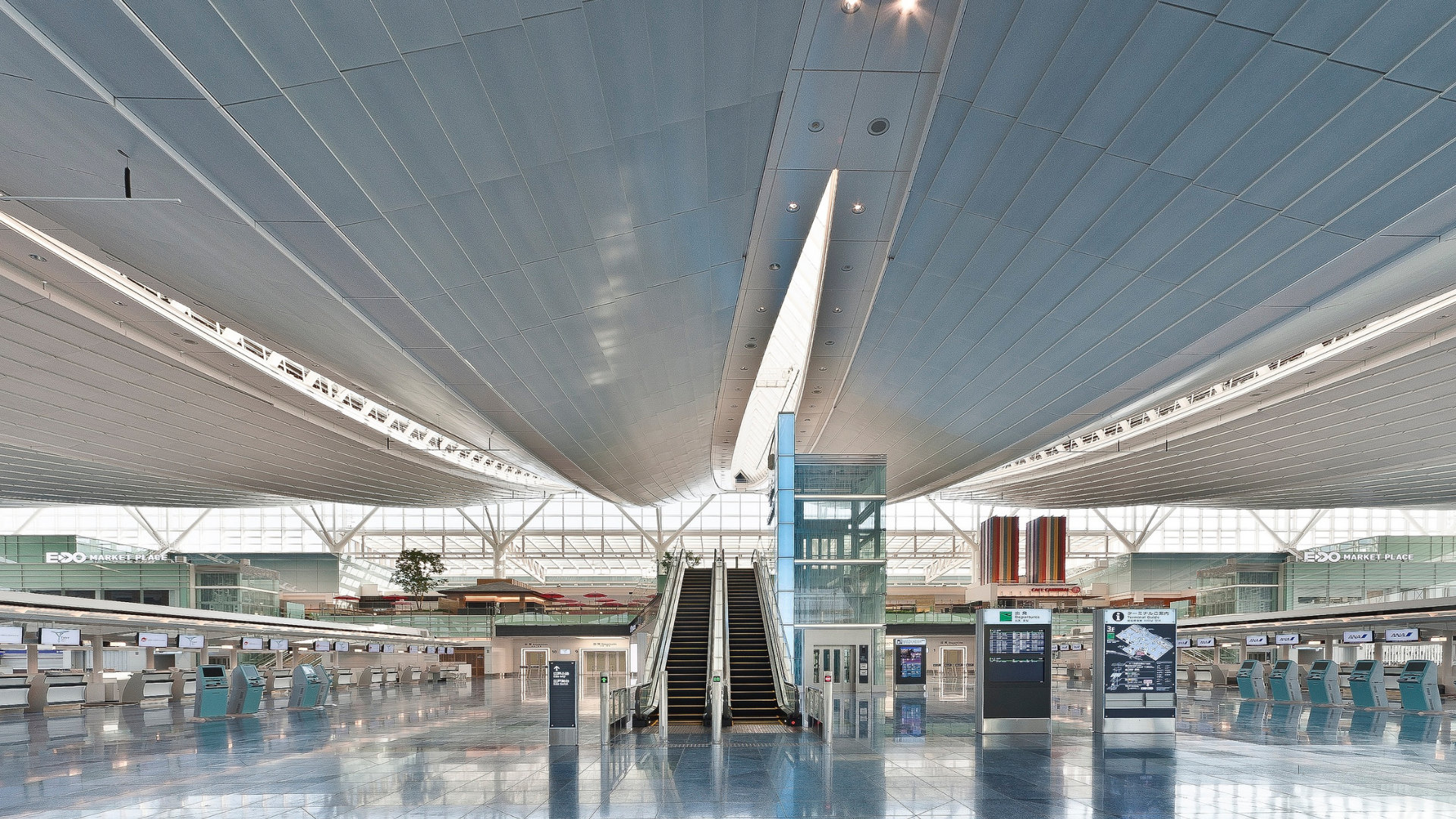
Japan’s airports are sleek, modern, and famously efficient, but for first-time travellers, stepping off the plane can still feel overwhelming. With unfamiliar signage, long terminals, language differences, and multiple transport options, it’s normal to start feeling lost before you even leave the terminal.
The good news is that most of these challenges can be overcome with a little preparation. This guide explains what typically confuses travellers and offers simple, practical ways to navigate Japan’s airports confidently. And if you prefer to skip the confusion altogether, private airport transfers can create a smooth and stress-free arrival from the moment you land right up to your hotel doorstep.
Japan’s Airports: An Overview
Narita International Airport (Tokyo)
This is the larger Tokyo gateway with more spread-out terminals, but navigating is still relatively manageable. Just follow the colour-coded signs like Transfer A or Exit B, and everything flows naturally.
Haneda Airport (Tokyo)
This airport is closer to the city and generally easier to navigate. When possible, booking a flight that lands here often makes for a smoother arrival.
Kansai International Airport (Osaka)
Located on an artificial island and spacious in layout, Kansai Airport is much further from Osaka city than most travellers expect. It helps to know your transport options before you land so that you don’t waste precious time figuring things out and accidentally derail your first day’s plans.
New Chitose Airport (Hokkaido)
This is the main airport for winter travellers. It becomes very busy during ski season, so factor in extra time for long queues or weather-related delays.
Navigating Japan’s Airports Without Feeling Lost
Your airport experience will typically follow this sequence: immigration, baggage claim, customs, and then transport. This is simple in theory, but once jet lag hits, even simple steps start feeling like brain teasers.
To make the process easier, keep your passport and forms readily accessible, follow the natural movement of fellow passengers, and rely on pictogram signs rather than text-heavy signs.
Signage and Layout
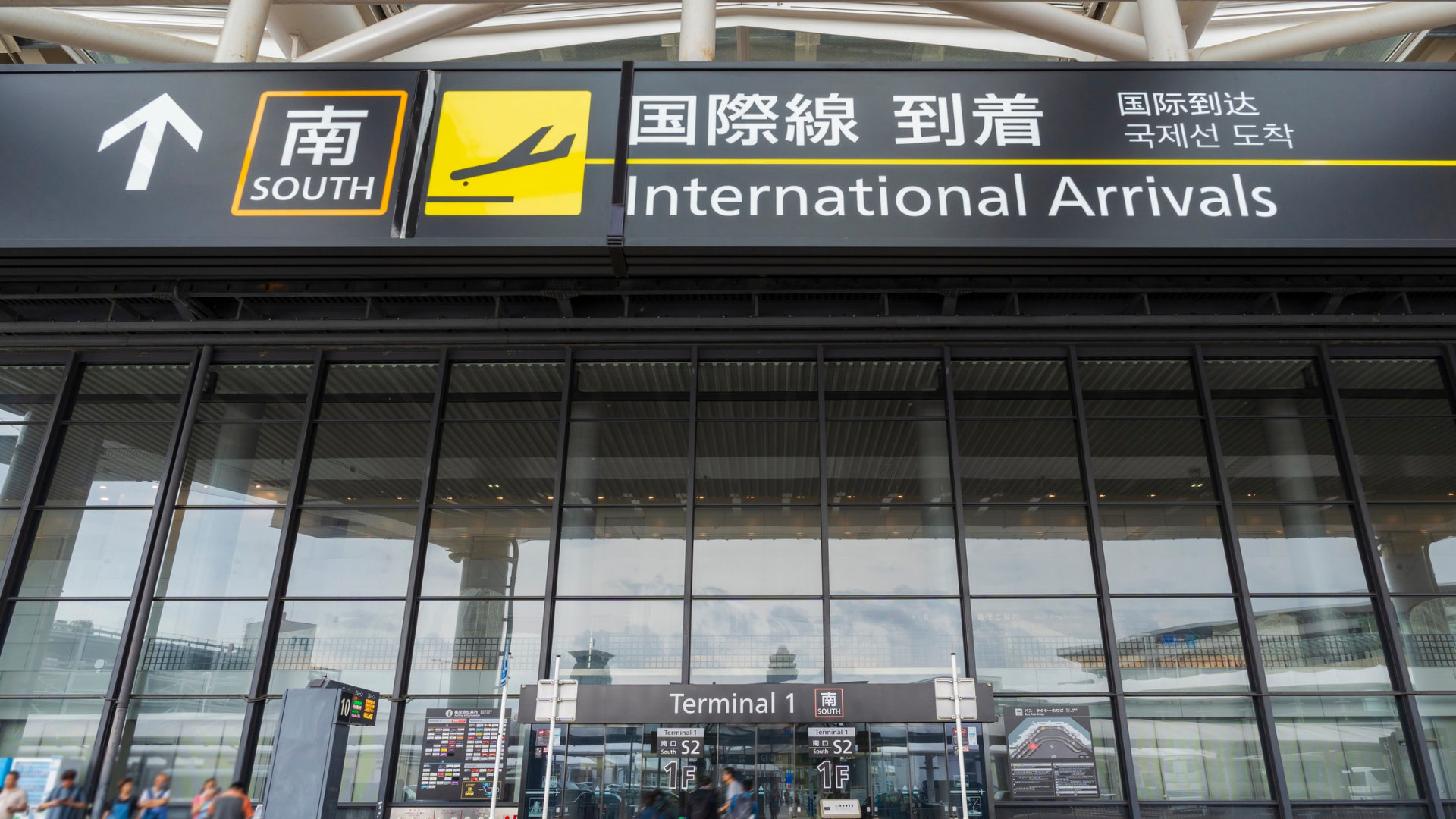
Japanese airports use excellent but highly detailed signage. After a long flight, seeing too much information at once can be confusing.
One way to manage this is to focus only on the yellow signs that lead to exits and transport. You can ignore everything else until you have your bags. If you need guidance, airport Wi-Fi allows you to check terminal maps quickly.
Some terminals may also require long walks or shuttle rides. Taking the dedicated shuttle trains or buses will help save energy for the rest of your trip.
Transport Connections Can Be Confusing
First-time visitors may struggle when choosing between trains, buses, or taxis, especially when they feel rushed to pick something immediately after clearing customs.
You can avoid this by choosing your transport before your flight. When using trains, look for English labels like Limited Express for faster routes. For buses, checking schedules online prevents unnecessary waiting. If you’re carrying large luggage, make sure to choose transport options that clearly indicate sufficient storage space.
Language Barriers: What’s Easy and What’s Not
English signage is available, but English proficiency varies among staff. You may still run into language barriers when asking for directions, clarifying transport routes, or resolving luggage concerns.
You can simplify these interactions by saving a few useful Japanese phrases, keeping your hotel address written in Japanese, using short and direct English, and relying on translation apps. If travelling with elderly parents or young children, choosing one person to handle communication helps keep the group organised and calm.
Luggage Management in Japan’s Airports
Japan’s public transport is efficient but not always designed for oversized suitcases. Some train lines have specific luggage rules and not all stations offer convenient lift access.
You can make things easier by checking luggage rules before arrival, selecting buses with undercarriage storage, and following lift signs even if they require a longer route. Travelling during holiday seasons can also make everything more crowded, so packing one fewer bag can make a big difference.
Luggage Delivery Services vs Carrying Everything Yourself
Japan’s luggage forwarding services are a reliable, stress-free way to travel into the city without dragging heavy bags around. They’re especially useful when you don’t need everything immediately, letting you move around more comfortably while your luggage arrives later.
That said, if you need certain essentials as soon as you land, a little planning goes a long way. Consider forwarding only your non-essential bags, and keeping one main suitcase (or carry-on) with your first-day must-haves so you’re covered from the moment you arrive.
Why Airport Transfers Are One of the Most Overlooked Travel Decisions
Your journey from the airport to your hotel shapes your first impression of Japan. A smooth arrival helps you start your holiday feeling excited, while a confusing or stressful journey can drain your energy right away.
This is especially true if you’re landing late at night, travelling with jet lag, dealing with bad weather, or moving as a group with multiple bags. Planning your airport transfer in advance helps you avoid unnecessary delays and makes the whole arrival experience far easier and less stressful.
The Advantages of Private Airport Transfers in Japan
Private airport transfers remove the pressure of navigating public transport while you’re tired or jet-lagged. With clear instructions, a driver waiting at the arrival hall, and direct transfer to your accommodation, the entire process becomes much smoother and more predictable.
This option works especially well for families, elderly travellers, and groups who want a comfortable and fuss-free start to their trip, and are happy to pay a little more for the convenience. It also saves you from hauling heavy luggage through crowded train stations, navigating stairs, or squeezing into packed carriages during peak hours.
Tips for a Smooth Airport Arrival in Japan
A little preparation goes a long way in Japan, especially after a long flight. These quick tips can help you arrive feeling calmer, more confident, and ready to enjoy your trip:
- Prepare your hotel address in Japanese.
- Keep your passport, arrival details, and booking confirmations within easy reach.
- Plan your transport before boarding your flight.
- Consider your arrival time and level of jet lag.
- Choose transport that prioritises comfort over minimal savings.
Start Your Japan Trip the Right Way
Japan’s airports may seem overwhelming when you first arrive, but they’re surprisingly easy to navigate once you know what to expect. With a little preparation and a few smart choices, you can minimise unnecessary stress and move from the airport to the city with ease.
If you’d rather skip the guesswork altogether, a private airport transfer is one of the most comfortable and efficient ways to start your trip.
With JST Holiday arranging your pickup and drop-off, you can arrive feeling relaxed, confident, and ready to explore. Whether you need a private transfer from Narita Airport to Tokyo or a private transfer from Kansai Airport to Osaka, expect a seamless, comfortable ride every step of the way.