Japan welcomed nearly 43 million foreign visitors in 2025, its highest figure on record. For first-time visitors from Singapore, Australia, the Philippines, or elsewhere in the region, a 10-day trip is the most common length. That’s enough time for the essential circuit: Tokyo, a mountain retreat, Kyoto, Nara, and Osaka. You won’t cover everything, but you’ll leave with a proper sense of the country and a long list of reasons to return.
The most common sequence for first-timers is the Golden Route: Tokyo, Hakone or Lake Kawaguchiko, Kyoto, Nara, and Osaka. It connects via Shinkansen with minimal backtracking, and the destinations are genuinely extraordinary. If you want something deeper, a second itinerary option replaces some of the standard stops with Kyushu, Hiroshima, and extended time in Nara.
The Classic Golden Route: 10 Days for First-Time Visitors
The Golden Route itinerary earns its name because each stop is worth the hype, and the logistics are simple enough that you can focus on the actual trip. Here’s how to break down your 10 days across the must-see destinations in Japan:
| How Many Days in Japan | Destination | Highlights |
| 1-3 | Tokyo | Shibuya, Shinjuku, Harajuku, Asakusa, Akihabara |
| 4-5 | Hakone or Lake Kawaguchiko | Mt Fuji views, onsens, nature |
| 6-7 | Kyoto | Fushimi Inari, Arashiyama, Higashiyama |
| 8 | Nara (day trip) | Todai-ji, Nara Park, deer |
| 9-10 | Osaka | Dotonbori, street food, Shinsekai |
Days 1-3: Tokyo: Japan’s Electric Capital
Tokyo is overwhelming in the best way. With 23 wards and entire neighbourhoods that could fill a week on their own, you won’t see it all in three days. That’s fine. Three days is enough to understand the city’s rhythm, explore a solid cross-section of its areas, and eat your way through enough ramen and yakitori to develop strong opinions about both.
Day 1: Yoyogi Park, Harajuku, Omotesando, and Roppongi
- Morning: Start your itinerary at Yoyogi Park, one of Tokyo’s largest green spaces. Walk through the forested paths toward Meiji Jingu, a Shinto shrine dedicated to Emperor Meiji. On weekends, traditional Shinto weddings occasionally take place on the grounds.
- Afternoon: Exit toward Harajuku and walk down Takeshita Street: colourful shops, crepes, and a level of visual noise that takes some adjustment. Follow it south to Omotesando, the upscale boulevard lined with flagship stores (Uniqlo, Muji), high-end boutiques, and some of the better contemporary architecture in the city. A short detour to the Nezu Museum rewards you with a collection of pre-modern Japanese art and a traditional garden that feels genuinely quiet compared to the street outside.
- Evening: Head to Roppongi Hills for sunset views from the observation deck, or settle in for dinner at one of the area’s restaurants before exploring the gallery spaces at night.
Planning Tip: If you’d prefer a guided experience through Tokyo’s highlights, our comprehensive Tokyo city tour covers the major districts with a local guide who can navigate the crowds and provide cultural context.
Day 2: Shibuya and Shinjuku
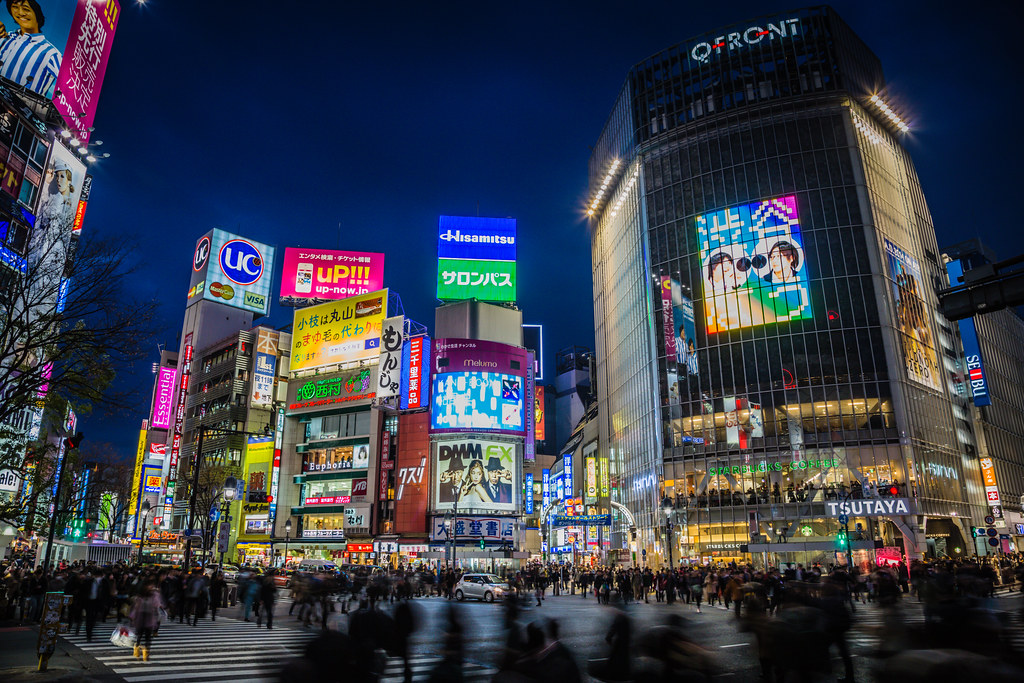
- Morning: Start your second day of the Japan travel itinerary at Shibuya Station and exit via the Hachiko Gate. The Hachiko statue is there, and so is Shibuya Crossing, the intersection you’ve seen in photographs. Book Shibuya Sky in advance: the rooftop observation deck has some of the most open views in the city.
- Afternoon: Walk to Daikanyama and Nakameguro for a change of pace. Indie coffee shops, vintage stores, and the tree-lined Meguro River walk are the attractions here. Grab lunch at Onibus Coffee or a local soba shop.
- Evening: Take the train to Shinjuku. Start at Omoide Yokocho (Memory Lane) for yakitori and small plates, then work your way into Golden Gai: a maze of tiny bars, each seating four to six people, each with its own distinct personality. Pick one and stay a while.
Day 3: Akihabara, Ueno Park, and Asakusa
- Morning: Start at Akihabara. Even without interest in gaming or anime, the sensory overload is worth experiencing once. Multi-storey electronics shops, maid cafés, and a crowd that knows exactly what it’s looking for.
- Afternoon: Head to Ueno Park for a different speed. The Tokyo National Museum is here, as is Ueno Zoo and a lot of open space that rewards slow walking.
- Evening: End the day in Asakusa, Tokyo’s old town. Walk through Nakamise Shopping Street toward Senso-ji, Tokyo’s oldest Buddhist temple. The lantern-lit approach is genuinely atmospheric at dusk. If you haven’t climbed Tokyo Skytree yet, the night views from the top are worth the ticket.
Where to Stay in Tokyo
Go to Shibuya for its central location and quick access to major rail lines.
- Trunk Hotel (Cat Street): Positioned between Harajuku and Shibuya, the hotel is built around a sustainability concept: interiors use recycled and upcycled materials throughout, from the furniture to the own-brand amenities.
- Nihon Seinenkan Hotel: In the Gaien area of Shinjuku, steps from Jingu Stadium and a short train ride from Shibuya, Harajuku, and Omotesando.
- Shibuya Stream Hotel: Part of the Shibuya Stream development, directly connected to Shibuya Station.
Days 4-5: Hakone or Lake Kawaguchiko
After three days in Tokyo, the mountains come as a relief. You have two solid options here for your Japan travel itinerary, and you should pick one: trying to do both in a single trip is the fastest way to feel rushed in a place that rewards slowing down.
Option 1: Hakone
Hakone is a mountain resort town about 90 minutes from Tokyo by Romancecar train. It’s known for hot springs, volcanic scenery, and Mt Fuji views on clear days. The ‘Hakone Loop’ is a pre-designed tourist circuit that uses trains, a funicular, a cable car, a ropeway, and a boat to connect the area’s major sights.
- Day 4: Take the Romancecar from Shinjuku Station to Hakone-Yumoto (about 90 minutes). Visit the Hakone Open-Air Museum, an outdoor sculpture park set against mountain views. Check into your ryokan in the afternoon and spend the evening in the onsen.
- Day 5: Complete the Hakone Loop. The route runs: Hakone-Yumoto to Gora by funicular, then to Sounzan by cable car, then to Owakudani (a volcanic valley where you can try black eggs boiled in sulphur springs), then by ropeway to Togendai. From there, a pirate ship cruises across Lake Ashi, bringing you to Hakone Shrine and its ‘floating’ torii gate. From Hakone-Yumoto, take the Tokaido Shinkansen from Odawara Station to Kyoto (about two hours).
Tour Option: Our Mt Fuji and Hakone day tour combines both destinations in a single day from Tokyo with private transport, making it perfect for travellers on a tight 10-day Japan itinerary who want to maximise their time.
Where to Stay in Hakone
- Hakone Yutowa: A modern ryokan a five-minute walk from Gora Station, with tatami-floored rooms, private hot spring baths in select room types, and a public onsen fed by natural springs.
- The Fujiya Hotel: Established in 1878 and listed as an Important Cultural Property of Japan, The Fujiya Hotel is among the oldest Western-style hotels in the country.
- Hakone Gora Karaku: The property sits at an elevated position with views across the Hakone mountain range, and dining at the two on-site restaurants (Japanese and teppanyaki) is included as part of most room packages.
Option 2: Lake Kawaguchiko (Fuji Five Lakes)
Lake Kawaguchiko is the most accessible of the Fuji Five Lakes and sits closer to Mt Fuji than Hakone does. The trade-off is fewer built attractions, but if unobstructed views of the mountain and a quieter atmosphere are priorities, it’s the stronger choice.
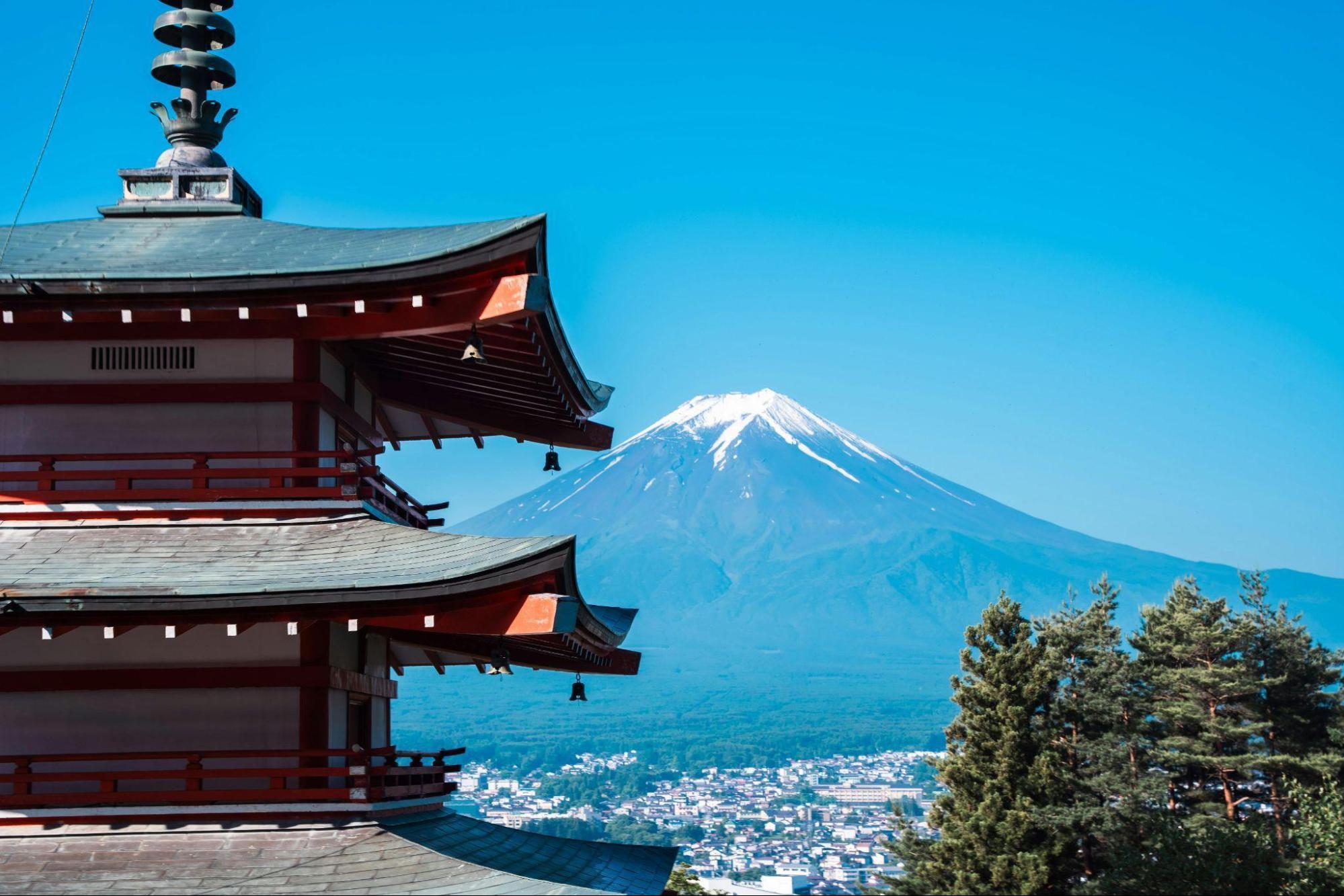
- Day 4: Take the JR Chuo Line to Otsuki, then the Fujikyu Railway to Kawaguchiko Station (about 2.5 hours total). Visit Chureito Pagoda, the five-storey pagoda with Mt Fuji as a backdrop that appears in countless travel photographs. The climb requires about 400 steps, which keeps the crowds at a manageable level. Spend the afternoon walking the lake shore or renting a bike.
- Day 5: Visit Oshino Hakkai, a traditional village with eight crystal-clear spring ponds fed by Mt Fuji snowmelt. Take the Kawaguchiko Ropeway for panoramic views of the lake and surrounding terrain. Return to Tokyo and take the shinkansen to Kyoto (about two hours from Tokyo Station).
Why Mt Fuji is Hard to See
The mountain is notoriously difficult to see. High humidity and cloud cover block the summit for much of the year, and afternoons are generally worse than mornings. Winter (December through February) offers the best odds, when the air is dry and clear. In summer, expect to see clouds more often than not. Plan for it to be a bonus rather than the main event.
Where to Stay in Lake Kawaguchiko
- Fujikawaguchiko Onsen Konanso: A traditional onsen ryokan on the south shore of the lake, with views of Mt Fuji from the outdoor baths on clear days. The south shore location offers some of the most open Fuji sightlines in the area.
- Rakuyu: A well-regarded lakeside inn known for attentive service and comfortable rooms in both Japanese and Western configurations. Good mid-range option for those prioritising comfort and value.
- Fuji Lake Hotel: One of the oldest hotels in the area, it has western-style rooms, a restaurant with lake views, and easy access to the Kawaguchiko bus loop, making it a convenient base for exploring the Five Lakes region.
Days 6-7: Kyoto, Japan’s Cultural Heart
Kyoto served as Japan’s imperial capital for over 1,000 years. It holds 17 UNESCO World Heritage Sites, more than 2,000 temples and shrines, and the preserved geisha district of Gion. A two-day itinerary is the minimum; many people return specifically to spend longer.
The key to Kyoto is timing: the most famous sites fill up by 9 am. Arriving at Fushimi Inari at 7 am versus 10 am is a completely different experience.
Day 6: Fushimi Inari, Kiyomizu-dera, and Higashiyama
- Morning (start early): Arrive at Fushimi Inari Taisha by 7 am. Walking through the thousands of vermilion torii gates into the hillside forest is one of the standout experiences in Japan, but only if you’re there before the coaches arrive. The full loop takes two to three hours; you can turn back earlier without missing much.
- Midday: Head to Kiyomizu-dera Temple, perched on a hillside with sweeping views over the city. The temple platform extends over the slope with no nails holding it in place, a fact the signs there will remind you of.
- Afternoon: Walk through the Higashiyama District. Ninenzaka and Sannenzaka are the traditional stone-paved shopping streets lined with tea houses, ceramics shops, and a level of photogenic charm that borders on overwhelming. The Yasaka Pagoda towers over a street corner nearby and is one of the most photographed views in Kyoto.
- Evening: Walk through Gion at dusk. The preserved ochaya teahouses and narrow lanes are atmospheric at any hour, but early evening brings the chance of spotting a geiko or maiko in full dress heading to an appointment.
Day 7: Arashiyama and Beyond
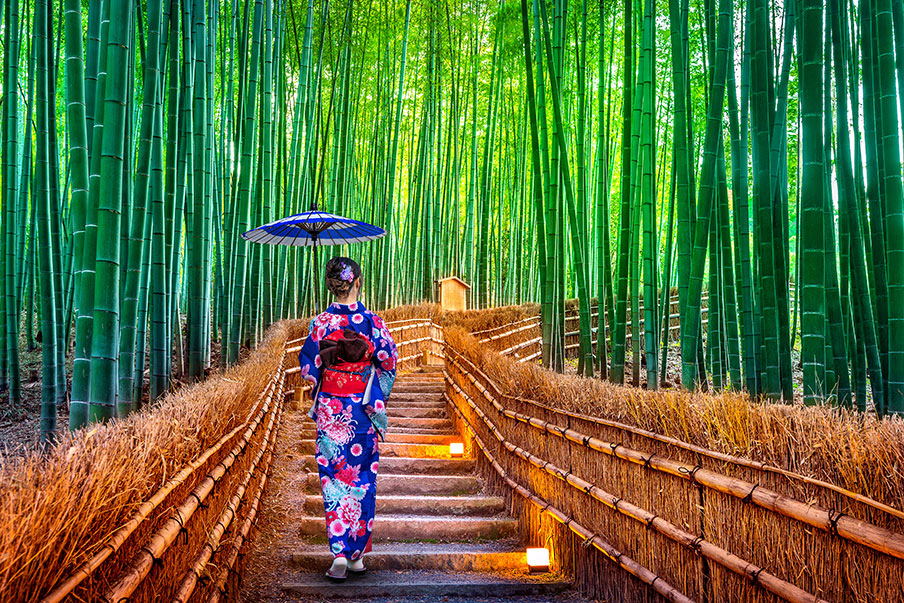
- Morning (start early): Arrive at the Arashiyama Bamboo Grove by 7 am. By 9 am, it’s packed, and the experience changes significantly. Walk through the bamboo corridor and continue to Tenryu-ji Temple and its zen garden, which backs onto the grove itself.
- Midday: Cross Togetsukyo Bridge and explore the riverside area. The % Arabica coffee shop near the bridge has excellent coffee and enough outdoor seating to make a proper stop worthwhile.
- Afternoon: Choose based on your pace. The Iwatayama Monkey Park requires a short uphill hike and rewards you with wild macaques and views over Arashiyama. The Sagano Scenic Railway runs along the Hozu River gorge with views that justify the slow speed. Or head further to Otagi Nenbutsu-ji Temple, a genuinely quiet spot with 1,200 stone statues, each carved with a different expression. Most visitors never make it there.
Where to Stay in Kyoto
Downtown Kyoto (near Shijo-Karasuma) for convenience, or Higashiyama for atmosphere.
- The Royal Park Hotel Kyoto Sanjo: A 172-room hotel in the Kawaramachi-Sanjo area, a three-minute walk from Kyoto Shiyakusho-mae Station and a short walk to Pontocho, Nishiki Market, and Gion.
- Hotel Grand Bach Kyoto Select: A stylish mid-range hotel near Karasuma-Oike, its central location gives easy access to both subway lines, making Fushimi Inari, Arashiyama, and the Kyoto Station Shinkansen equally manageable from the front door.
Day 8: Nara, Temples, Deer, and Ancient History
Nara was Japan’s first permanent capital, from 710 to 794 AD. Today, it’s home to Todai-ji, the world’s largest wooden building, and over 1,000 free-roaming sika deer who have had protected status for so long that they’ve become entirely unimpressed by tourists.
A day trip from Kyoto or Osaka covers the highlights comfortably in five to six hours.
- Getting there: From Kyoto, take the Kintetsu Nara Line (about 45 minutes) or JR Nara Line (about 50 minutes). From Osaka, the Kintetsu Nara Line takes about 40 minutes.
Arrive early (by 9 am) to get ahead of day trippers. Walk through Nara Park: deer are everywhere, and the shika senbei (deer crackers) sold at kiosks guarantee a memorable and occasionally chaotic interaction.
Visit Todai-ji Temple and the Great Buddha inside (the Daibutsu), one of the largest bronze Buddha statues in the world. Continue to Nigatsu-do Hall for panoramic views over Nara, then end at Kasuga Taisha Shrine, known for its thousands of stone and bronze lanterns that line the path through the forest.
Return to Kyoto, or continue directly to Osaka (about 45 minutes from Nara).
Where to Stay in Nara (Optional Overnight)
Staying overnight in Nara as part of your itinerary means experiencing the park before and after the day trippers arrive. The atmosphere shifts noticeably.
- Haruya Naramachi Ryokan: A budget-friendly traditional ryokan in the Naramachi old town district, within walking distance of Nara Park and the main temple circuit.
- Noborioji Hotel Nara: An upscale hotel on a quiet street in central Nara, with architecture that references traditional Japanese forms without being a strict period reproduction.
- Nipponia Tawaramoto Maruto Shoyu: A converted 150-year-old soy sauce brewery about 20 minutes from central Nara, now operating as a boutique hotel with rooms built within the original structures.
Days 9-10: Osaka, Japan’s Kitchen
Osaka is a different energy from Kyoto entirely. The city’s residents have a justified pride in their food culture (takoyaki, okonomiyaki, kushikatsu), a directness that contrasts with Tokyo’s formality, and a general opinion that the best eating in Japan happens here.
A two-day itinerary covers the main areas, allowing enough time to eat properly.
Day 9: Dotonbori, Kuromon Market, and Shinsekai
- Morning: Start at Kuromon Ichiba Market, Osaka’s food market and a genuine local institution. Stalls serve fresh seafood, tamagoyaki (sweet rolled omelette), seasonal fruit, and plenty of things that require pointing to order. Eating while walking is not only accepted here; it’s expected.
- Midday: Head to Namba Yasaka Shrine to see the giant lion-head altar, one of Osaka’s more unusual sights. Then into Dotonbori, the neon-lit canal district. Try takoyaki at Wanaka or okonomiyaki at Chibo; cross the bridges over the canal and walk through Shinsaibashi shopping arcade when your feet need a break from eating.
- Evening: Head to Shinsekai, Osaka’s retro neighbourhood. Climb Tsutenkaku Tower for city views. Then order kushikatsu (deep-fried skewers) at one of the neighbourhood joints. The one firm rule: no double-dipping in the communal sauce.
Day 10: Osaka Castle, Final Eats, and Departure
- Morning: For the 10th day itinerary in Japan, visit Osaka Castle. The reconstructed castle and surrounding park cover a lot of ground, and the interior museum has good English signage. Allow two to three hours.
- Midday: A final food stop before the airport. One last bowl of ramen, or a visit to the Cup Noodles Museum in Ikeda (about 30 minutes by train) to make a personalised cup from scratch. It’s more enjoyable than it sounds, and the queue moves fast.
- Afternoon: Kansai International Airport (KIX) handles most international departures. The Nankai Rapi:t express from Namba takes about 45 minutes.
Where to Stay in Osaka
Go for Namba for central access to Dotonbori and Shinsaibashi.
- The Bridge Hotel Shinsaibashi: A four-star hotel three minutes from Shinsaibashi Station and about seven minutes’ walk from Dotonbori, with rooms that are compact but well-equipped and consistently clean.
- Cross Hotel Osaka: Central location near the main shopping arcade and Dotonbori canal, this contemporary hotel in the Shinsaibashi district has a distinctive design aesthetic and 256 rooms across a range of configurations.
- Fairfield by Marriott Osaka Namba: A mid-range Marriott property in the Namba area with clean rooms, efficient service, and the consistency you’d expect from the brand.
Japan Itinerary 2: The Alternative Route
The alternative itinerary is for travellers who want to swap some of the Japan Golden Route’s famous stops for quieter, more unusual experiences. It includes Kyushu, Hiroshima, and an extended stay in Nara, while still covering Tokyo and Hakone.
| Days | Destination | Highlights |
| 1-2 | Tokyo | Offbeat neighbourhoods, tea ceremonies, zen meditation |
| 3-4 |
Nara |
Extended stay, hiking, sake tasting, pottery |
| 5-7 | Kyushu (Kurokawa Onsen) | Onsens, volcanic hiking, traditional ryokans8Hiroshima |
| 8 | Hiroshima | Peace Memorial, Genbaku Dome, okonomiyaki |
| 9-10 | Hakone | Onsens, hiking, Mt Fuji views |
| 11 | Fly out from Tokyo |
Note: this route runs for 11 days if you include the fly-out day. The structure works best for travellers with a flexible extra morning in Tokyo.
Days 1-2: Tokyo (Offbeat Focus)
Instead of working through the main tourist circuit, spend the two Tokyo days on deeper experiences. The famous neighbourhoods will still be there on a return trip.
Offbeat Things to Do in Tokyo
- Traditional Tea Ceremony: Learn from a tea master who has practised for 20-plus years, in a traditional tatami tea room with matcha and mochi.
- Zen Meditation with a Buddhist Monk: At a 400-year-old private temple in Asakusa, join a Zazen session and spend time in conversation with a resident monk.
- Todoroki Valley: A tree-filled valley with its own river and ancient shrines, tucked inside a residential neighbourhood in southwest Tokyo. Essentially unknown to most visitors.
- Gotoku-ji Temple: The ‘lucky cat temple’, covered in thousands of maneki-neko statues of varying sizes.
- Asakusa at Night: The lantern-lit streets after the crowds have thinned look considerably different from the daytime version.
Days 3-4: Nara (Extended Stay)
A two-night itinerary in Nara, Japan, rather than a day trip gives you access to parts of the city and prefecture that day visitors never reach.
Offbeat Things to Do in Nara
- Hike Through Mount Kasuga Primeval Forest: An ancient primary forest behind Kasuga Taisha Shrine, where hunting and logging have been prohibited since 841 AD. The forest floor is largely unchanged.
- Morning Shinto Prayer Ceremony at Kasuga Taisha: Omairi (morning prayers) are offered by priests daily at 9 am. Visitors are welcome to observe.
- E-Bike Tour of Nara’s Hidden Temples: Pedal through rice paddies and the slopes of Mt Wakakusa to reach temples that most day trippers never find.
- Sake Tasting at Nishiuchi Shuzo: A 150-year-old brewery offering guided tours and tastings of Nara sake, which has a history stretching back over 1,000 years.
- Akahada-Yaki Pottery: One of Japan’s oldest pottery traditions, limited to teaware. An 8th-generation potter offers workshops.
Days 5-7: Kyushu, Kurokawa Onsen and Volcanic Landscapes
Kurokawa Onsen is among the best-preserved onsen towns in Japan, set in a valley on Kyushu Island and surrounded by volcanic peaks. The whole town is designed for walking: stone stairs, wooden ryokans, mist rolling through the valley at dusk.
What to Do in Kurokawa Onsen
- Onsen Hopping with a Tegata Pass: A single pass grants access to three different ryokan baths. Yamamizuki (riverside), Kurokawa So (cliff-facing), and Waraku (inside a rock cave) are among the most distinctive options.
- Day Trip to Mount Aso: One of the world’s largest active volcanic calderas. The Nakadake Crater offers views of live volcanic activity when conditions allow.
- Tofu Cuisine at Tofu Kissho: Kurokawa is known for regional mountain cooking, and Tofu Kissho serves an entire multi-course meal built around tofu in its various forms.
- Walk the Old Town: The riverside streets are genuinely quiet, especially on weekday mornings. Worth the time with no specific destination in mind.
Day 8: Hiroshima, History, Peace, and Resilience
A day in Hiroshima is heavy, but it’s among the most important days on any alternative Japan travel itinerary. The city rebuilt after the atomic bombing of 1945 and is now a modern, forward-looking place, but the Peace Memorial sites speak for themselves.
What to Do in Hiroshima
- Hiroshima Peace Memorial Museum: Interactive exhibits covering the lead-up to the bombing, the event itself, and its aftermath. Allow two to three hours, and the content stays with you.
- Peace Memorial Park: The Cenotaph for the A-Bomb Victims, the Flame of Peace, and the Children’s Peace Monument are all within the park.
- Genbaku Dome (Atomic Bomb Dome): The only structure that remained standing near the bomb’s hypocenter, preserved as a UNESCO World Heritage Site. The building is not entered, but the exterior is deeply affecting.
- Hiroshima-Style Okonomiyaki: Unlike the Osaka version, Hiroshima-style okonomiyaki is layered rather than mixed, with noodles added to the base. Chinchikurin Yagenhorimoto serves a version for those avoiding meat.
Getting there: From Kurokawa, take the train to Fukuoka/Hakata, then the shinkansen to Hiroshima. Total journey time is about 3.5 hours.
Days 9-10: Hakone, Final Relaxation Before Departure
End your 10-day Japan itinerary trip in Hakone. After Hiroshima and Kyushu, the combination of onsen and mountain scenery functions as effective decompression before a long-haul flight home.
What to do:
- Visit Hakone Shrine and the ‘floating’ torii gate on Lake Ashi
- Hike the Hakone Hachiri path, the historic route between Kyoto and Edo (old Tokyo), sections of which are walkable as a half-day excursion
- Stop at Amazake-chaya teahouse, which has been serving amasake (a sweet fermented rice drink) on the same route for 400 years
- Spend the remainder of the time in your ryokan’s onsen
Getting back to Tokyo:
The Romancecar from Hakone-Yumoto to Shinjuku takes about 80 minutes. The Kodama Shinkansen from Odawara to Tokyo is about 30 – 35 minutes. Either works for an early airport departure.
Beyond the Itineraries: Other Places Worth Adding
Japan rewards repeat visits. If you have extra time on the current trip or you’re already planning an itinerary, the destinations below are each worth a dedicated journey.
Day Trips From Tokyo
- Kamakura: About one hour from Tokyo, it’s a coastal town with a giant Buddha (the Kotoku-in), cluster of temples, and an easy seaside atmosphere. Works well as a half-day or full day, depending on pace.
- Nikko: Mountain shrines, elaborate temples, and autumn foliage that draw visitors from across Japan. About two hours from Tokyo, this is home to Toshogu Shrine, one of the most ornate structures in the country.
- Yokohama: Japan’s second-largest city, and a 30-minute train ride from Tokyo. The Chinese neighbourhood, the waterfront Minato Mirai district, and a ramen museum dedicated to the history of the dish make it a reliable day option.
Day Trips From Osaka and Kyoto
- Himeji Castle: Japan’s most spectacular castle, a 55-minute shinkansen ride from Osaka. One of the few Japanese castles that was never destroyed by war.
- Hiroshima and Miyajima: Doable as a long day trip from Osaka, though Hiroshima deserves more time than that allows. The floating torii gate at Miyajima, accessible by ferry, is worth the extra hour.
- Kobe: Famous for Kobe beef and sake breweries that offer tours in English. About 30 minutes from Osaka on the Hankyu line.
Self-Driving: Nagano Prefecture and the Kiso Valley
The Kiso Valley is one of the few parts of Japan that feels genuinely off the tourist circuit. The Nakasendo Trail, an eight-kilometre hike through forest and farmland, connects historic Edo-era post towns (Tsumago and Magome). Matsumoto Castle, one of Japan’s original castles, is close by, as is Karuizawa (a mountain resort popular with Tokyoites) and Kamikochi. This alpine valley serves as the gateway to the Northern Japan Alps.
Hokkaido: Japan’s Northern Frontier
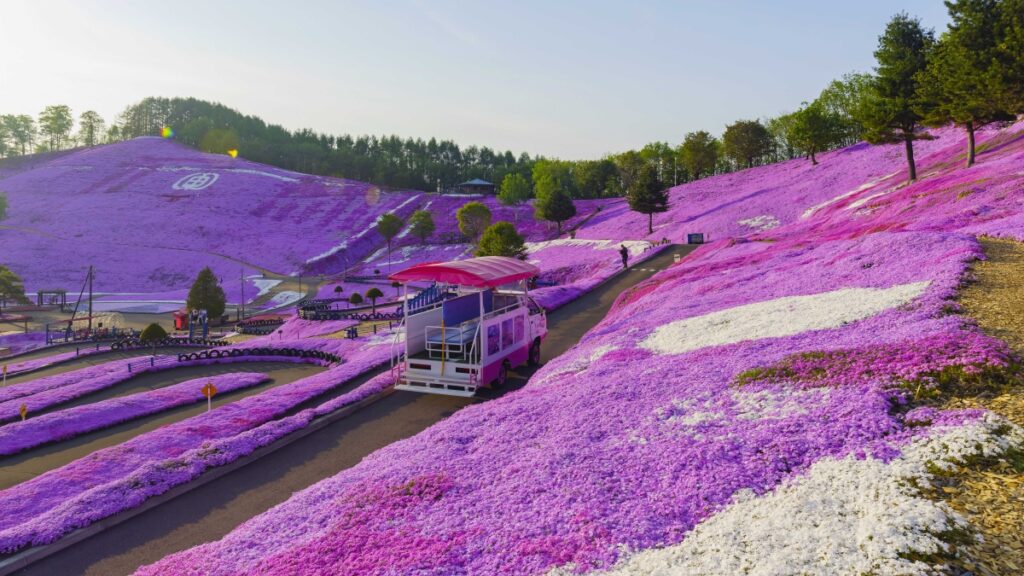
Hokkaido is best for skiing (Niseko), wildlife encounters, lavender fields in summer (Furano), and seafood that tends to be fresher and more affordable than in the main cities. The Sapporo Snow Festival in February is one of Japan’s most visited annual events. Plan for either winter (skiing and the snow festival) or summer (lavender season, cooler temperatures, hiking). Sapporo, Hakodate, and Otaru are the main bases.
Kyushu: Hot Springs and Volcanoes
The alternative itinerary includes Kurokawa Onsen, but Kyushu has far more to offer:
- Beppu is the most famous onsen city in Japan, with more varieties of hot spring water than anywhere else.
- Nagasaki carries a layered history as Japan’s primary gateway to the outside world for centuries.
- Fukuoka has an excellent food culture built around ramen and izakayas.
Allow five to seven days minimum to do the island justice.
Naoshima: Japan’s Art Island
It is a small island in the Seto Inland Sea covered in permanent and temporary contemporary art installations, including Yayoi Kusama’s yellow pumpkin sculptures. The
- Benesse House (a museum and hotel combined)
- Chichu Art Museum (designed by Tadao Ando, built partially underground)
are both worth the journey alone. Best for art and design enthusiasts; accessible by ferry from Uno, which connects from Okayama by train.
Shikoku: The 88 Temple Pilgrimage
Japan’s smallest main island is best known for the Shikoku Henro: a 1,200-kilometre pilgrimage route connecting 88 Buddhist temples associated with the monk Kobo Daishi. The full route takes about six weeks on foot, but individual temples and short sections are accessible by bus for visitors with limited time. It is a genuinely different pace from the rest of Japan.
Why Private Transfers Make Sense for Multi-City Itineraries
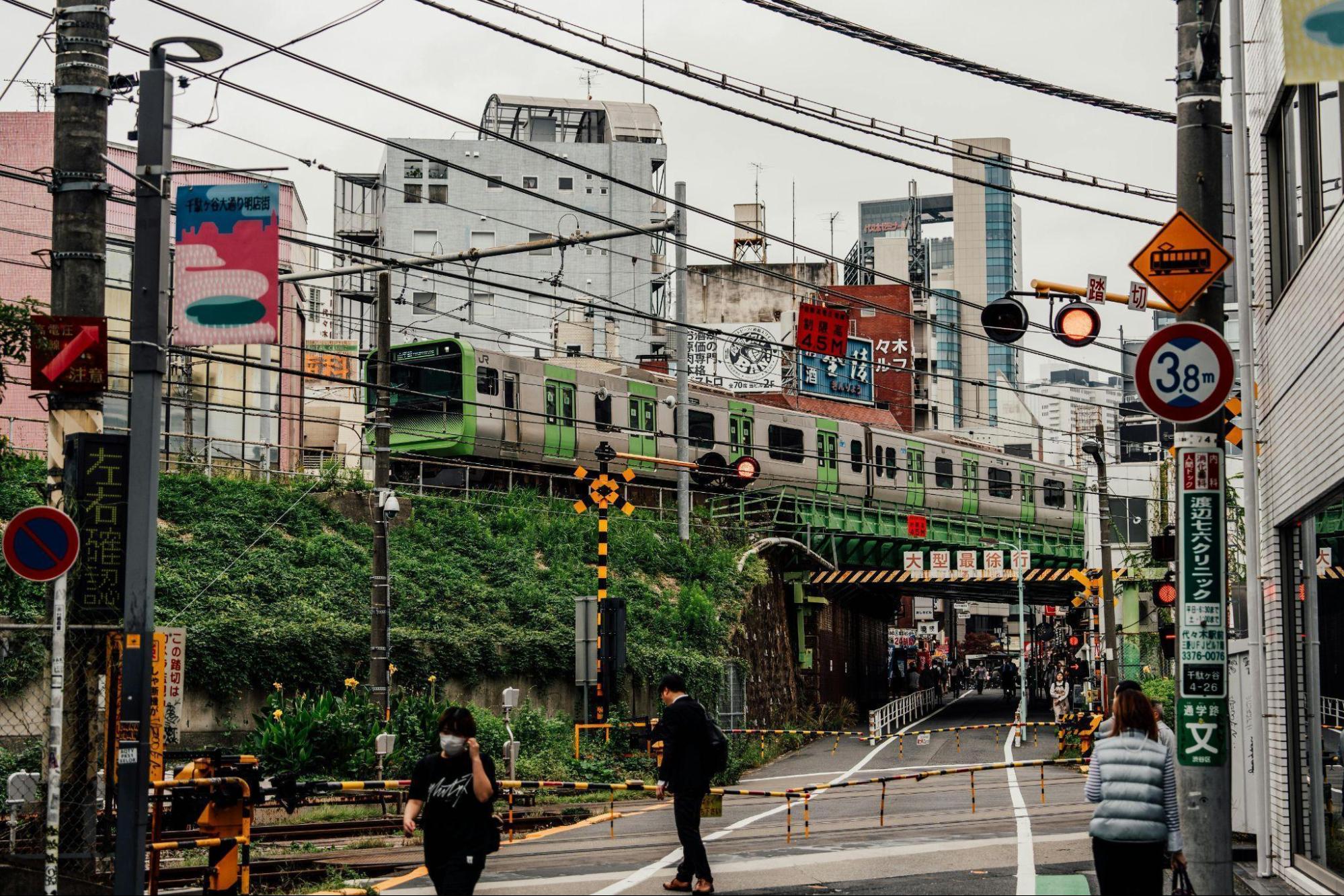
Japan’s train network is exceptional. The Shinkansen is comfortable, reliable, and fast. For most city-to-city journeys on either itinerary, the train is the right answer. But trains don’t solve everything, and the friction points are consistent across every multi-city Japan trip.
- Luggage on Shinkansen: Bullet trains have designated oversized luggage areas but limited space. With a group, multiple large bags, or anyone who packs for ten days the way most people do, managing luggage through Shinkansen platforms and carriages is stressful. Luggage forwarding services help, but add planning overhead.
- The Last-Mile Problem: Ryokans in Hakone, Kurokawa Onsen, and Lake Kawaguchiko often sit a significant distance from the nearest station. Taxis from local stations can be unreliable, especially in the evenings.
- Early Airport Departures: Kansai International Airport and Narita Airport both require specific train connections that may not exist at 5 am. Coordinating public transport for a 6 am flight is a different calculation from a leisurely mid-morning departure.
- Groups and Families: With older parents, young children, or a group of six or more, private transport removes the platform-watching, connection timing, and luggage juggling that accumulate over a ten-day trip. The incremental cost per person often justifies itself before the first transfer is complete.
If you are planning a multi-city Japan trip with family or a group, JST Holiday, a Japan tour Singaporean travel agency, offers private transfers and day tours across Japan. We offer door-to-door pickup, English-speaking drivers, and no train-platform stress. Explore our Japan private transfer options.
Make Your 10 Days Count with JST Holidays
Ten days in Japan is enough to form a proper view of the country and a long list of reasons to come back. The main variable is pace: the Golden Route is designed for efficiency, and the alternative route is designed for depth. Neither is wrong; they just suit different travelling styles. Use the table below to decide which itinerary fits best.
| Your Priorities | Recommended Route |
| First-timer, want the highlights | Golden Route: Tokyo, Hakone, Kyoto, Nara, Osaka |
| Culture-focused, slower pace | Alternative Route: Tokyo, Nara, Kyushu, Hiroshima, Hakone |
| Food as a priority | Golden Route with extra time in Osaka and Kyoto’s Nishiki Market area |
| Nature and mountain scenery | Golden Route with Lake Kawaguchiko and Hakone |
| History and context | Alternative Route with Hiroshima and Nara |
| Families with younger children | Golden Route with private transfers and at least one ryokan night |
If you’re ready to plan your 10-day trip, JST Holiday offers a Hokkaido day tour package, Tokyo city tour, day tour of Kyoto and Osaka tour package Singapore families and groups will enjoy. We also provide airport transfers and customisable itineraries across Japan. Let us handle the logistics while you focus on the experience.
Frequently Asked Questions About Visiting Mt Fuji
Can you see Mt Fuji from Tokyo?
On clear days, Mt Fuji is visible from elevated viewpoints across Tokyo, including the Tokyo Skytree observation deck, Roppongi Hills, and the upper floors of tall buildings on the western side of the city. If you’re deciding on your Japan itinerary, your best chance is on winter mornings from December to February, when the air is dry and there are fewer clouds. Still, there is no guarantee. Most of the time, clouds hide the mountain from view.
When is the best time to visit Mt Fuji?
Winter, from December to February, is usually the best time to get a clear view of Mt Fuji. The air is dry, and there is less humidity, so there are fewer clouds, and the mountain stands out against the blue sky, especially in the morning. Summer is the climbing season, but it is often cloudy, humid, and the summit is hidden most afternoons. No matter when you visit, mornings are almost always better than afternoons for seeing the mountain. The timing is worth building into your Japan travel itinerary.
When is Mt Fuji climbing season?
The official climbing season for the Yoshida Trail, which is the most popular route on the Yamanashi side, is from early July to mid-September. The Subashiri, Gotemba, and Fujinomiya trails are open around the same time. Outside of these dates, the upper trails are closed, and it can be dangerous to climb.
How long does it take to climb Mt Fuji?
Climbing up the Yoshida Trail usually takes five to seven hours, and coming down takes three to five hours. If you want to reach the summit by sunrise, most people start late at night and rest at a mountain hut along the way. It is possible to go up and down from the 5th Station in one day, but it is tough. To help your body adjust to the altitude, it is a good idea to spend 30 to 60 minutes at the 5th Station before you start climbing.
Is it worth visiting Mt Fuji if you don’t plan to climb?
Absolutely. Most people who visit Mt Fuji do not climb to the top. Instead, part of their Japan itinerary is going to the Fuji Five Lakes area, especially Lake Kawaguchiko, and the Hakone region, both of which have great views, hot springs, and plenty of things to do at lower elevations. On clear days, you can enjoy the mountain as a beautiful backdrop. JST Holiday also has day tours from Tokyo that visit both Hakone and Lake Kawaguchiko.