Japan is one of those destinations that excites and intimidates at the same time. The culture is fascinating, the food is legendary and the cities feel like something out of the future. However, for many first-time travellers from Singapore, one worry always pops up: the language.
If you’ve ever asked yourself if you can go to Japan without speaking Japanese, you’re not alone. It’s one of the most common questions travellers have before booking their flights. The good news? You can absolutely enjoy Japan without speaking the language, especially if you plan smartly.
Quick Answer: No, You Don’t Need Japanese (But It Helps)
Let’s get this out of the way first: no, you do not need to speak fluent Japanese to visit Japan. So, if you’re wondering whether you can visit Japan without knowing Japanese, the honest answer is yes, thousands of travellers do it every day.
In major cities, things are surprisingly smooth. Airports, hotels, train stations, tourist attractions, and even many shops have English signage or staff who speak basic English. Japan is built for efficiency, and that works in your favour.
That said, there are moments when not knowing Japanese can feel a bit awkward. Think small local eateries, rural towns or last-minute changes when you’re rushing. The goal isn’t fluency, it’s preparation. Once you’re ready for those moments, the fear disappears.
Where You’ll Be Totally Fine without Speaking Japanese
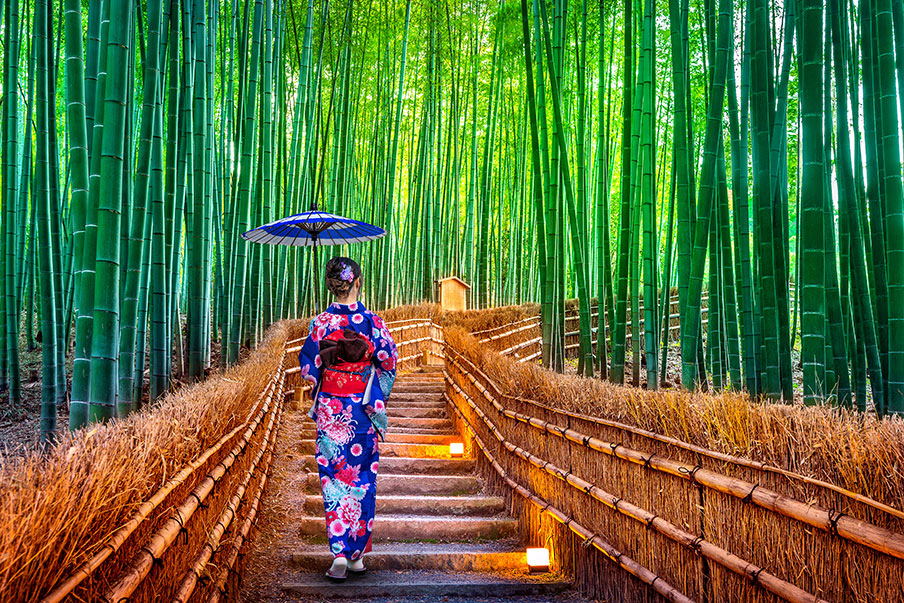
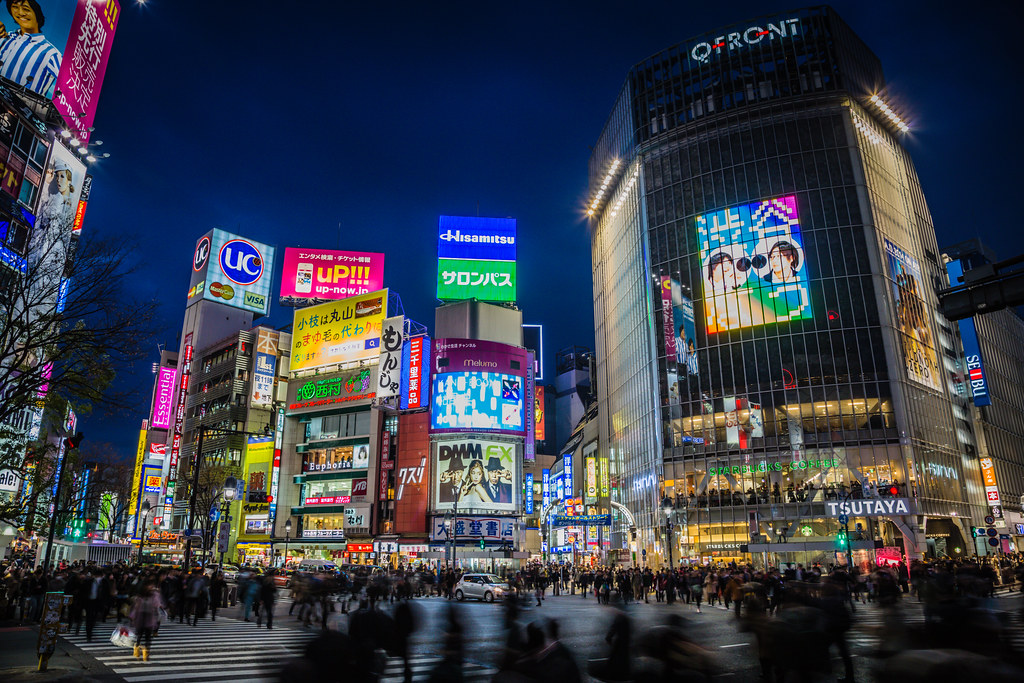
If your itinerary includes a day trip to Kyoto, Tokyo, Osaka or other major tourist hubs, you’ll be more than okay. These cities are designed for visitors: train announcements are often bilingual, station signs use clear icons and hotels usually have English-speaking front desk staff.
What surprises many Singaporeans is how helpful people are, even if they don’t speak English fluently. Staff may gesture, pull out maps, walk you to the right platform or use translation devices. Japan’s friendly service culture goes a long way towards ensuring that you can go to Japan without speaking Japanese.
What Gets Tricky without Japanese (And How to Handle It)
That said, there are a few situations where language gaps can show up. Asking for directions outside tourist zones can be confusing, especially in residential areas. Smaller local restaurants may have handwritten menus with no photos. Large train stations like Shinjuku Station can feel overwhelming when you’re trying to find the right exit.
The solution isn’t learning Japanese overnight: it’s using simple workarounds. Showing your destination on Google Maps, your hotel name in Japanese or a photo of a dish you want to order solves most problems instantly. Information counters at stations are also incredibly helpful and usually have English-speaking staff.
The 3 Tools That Make Navigating Japan Easy without Japanese
If you’re traveling in Japan without knowing Japanese, these three tools will feel like superpowers.
- Google Maps: In Japan, it doesn’t just show routes, it tells you which train line to take, which platform to stand on, and which station exit gets you closest to your destination.
- Translating Tools: Camera mode is a lifesaver. Point it at menus, signs or notices and you’ll instantly understand the gist. It’s not perfect, but it’s more than enough to get by.
- Mobile Data: Whether it’s a SIM card or pocket WiFi, constant connectivity is non-negotiable. Your tools only work if you’re online.
Pro tip: save your hotel address and key places in Japanese before you go. Locals appreciate it, and it speeds things up instantly. It can also help you in navigating Japan’s airports upon arrival.
Eating Out without Speaking Japanese: The Simple Approach
Food is a huge part of Japan, and not knowing the language shouldn’t stop you from enjoying it. Here are some tips to make your experience seamless:
- Start with places that have photos, plastic food displays or ticket vending machines. These are incredibly common, especially near stations. You choose what you want visually, pay and hand the ticket over. No conversation required.
- Pointing is completely acceptable. So is holding up fingers to indicate quantity. Staff are used to it and won’t judge.
- If you have dietary restrictions, keep things simple. Prepare a short translated note on your phone explaining what you can’t eat. Showing it is far easier than trying to explain verbally.
Getting Around Japan without Stress (Especially for First-Timers)
Transport is where language anxiety usually peaks, not because Japan is bad at it, but because it’s so connected and efficient that it can feel intimidating. The biggest friction points are crowded stations, multiple exits, luggage and time pressure. That’s when mistakes happen.
The trick is to slow down. Start your day earlier, avoid overpacking your schedule and always build in buffer time. This is especially important if you’re travelling with elderly parents or kids. The smoother your logistics, the more enjoyable the experience becomes.
When a Private Driver or Guide Makes the Trip Much Easier
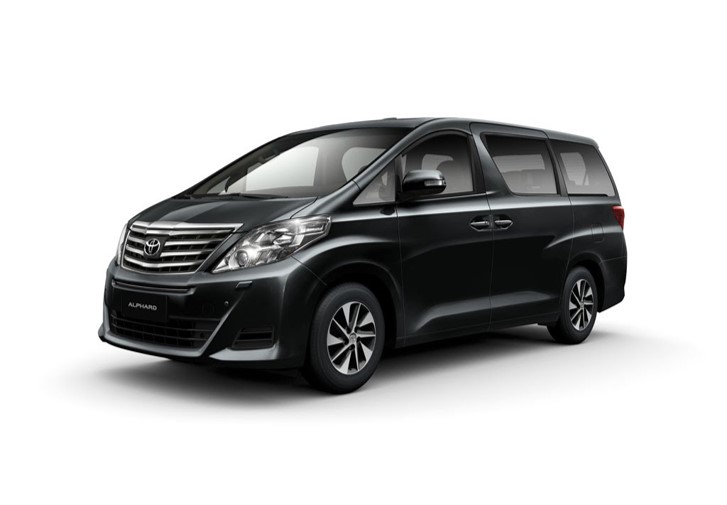
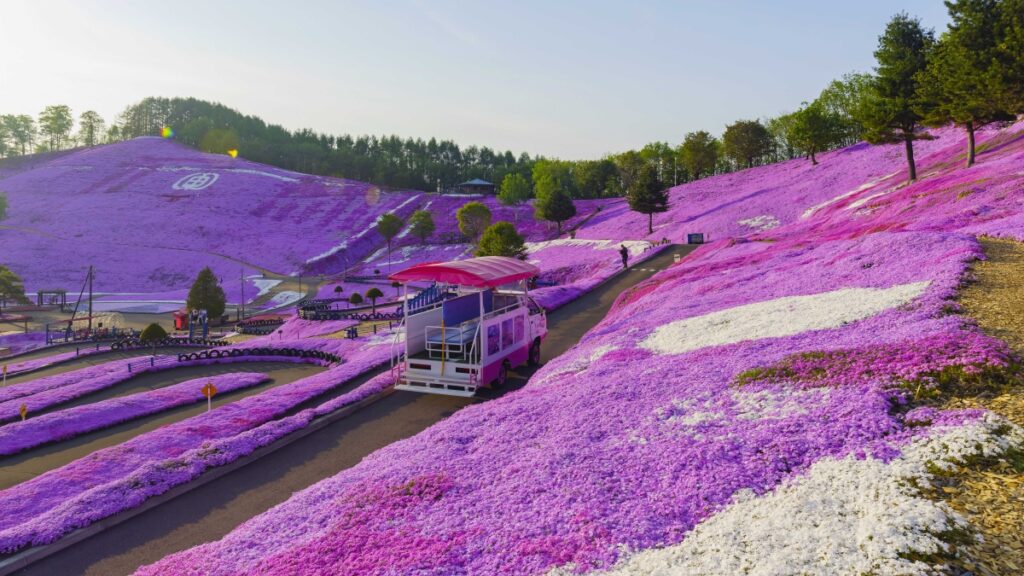
Here’s where many travellers realise they don’t need to do it all by themselves: private drivers and guides remove almost all language-related friction and allow you to focus on the experience. This is especially helpful for day trips and travel to places outside major cities. For example, a Hokkaido day tour with a private driver lets you enjoy food, nature and seasonal scenery without worrying about rural transport or signage.
Families, couples and small groups often find this approach far more relaxing, especially when time is limited. It’s one reason many travellers prefer to book through a trusted Japan tour agency in Singapore instead of planning everything from scratch.
Conclusion: You Don’t Need Japanese, Just the Right Plan

So, do you need to know Japanese to go to Japan? Not at all; what you really need is the right plan. With tools like Google Translate and VoiceTra, alongside realistic pacing, Japan becomes one of the easiest countries to explore. And when you want extra comfort, flexibility and peace of mind, private customisable travel can make getting around Japan feel completely effortless.
Planning a Japan trip from Singapore? Let JST Holiday help you travel confidently with private transfers, custom tours and local expertise so you can enjoy Japan without stress, even if you don’t speak Japanese.