Tokyo is an incredible city in its own right, but what many first-time travellers don’t realise is how perfectly it works as a base for exploring nearby regions. Within just one to two hours, you can escape the skyscrapers and find yourself surrounded by mountains, historic temples, coastal towns, or even views of Japan’s most iconic peak.
With smart planning, day trips from Tokyo can be just as rewarding as staying overnight elsewhere. The key is knowing where to go, how long you really need, and how to move efficiently.
What Makes a Good Day Trip From Tokyo?
Not all destinations make sense for a single-day visit. The best Tokyo day trips share a few important qualities:
- Travel time and accessibility: Ideally, destinations should be reachable within 2 hours one-way. Shorter travel times mean more time exploring and less time watching train schedules.
- A manageable sightseeing pace: A good day trip lets you enjoy highlights without constantly rushing. Overpacked itineraries can quickly turn exhausting.
- A balance of experiences: Many travellers enjoy a mix of nature, culture, and light sightseeing when escaping a busy city like Tokyo.
- Why transport planning matters: On short trips, missed connections or confusing routes can eat into valuable time. This is why transport coordination often makes or breaks a day trip experience.
Mt Fuji And Kawaguchiko
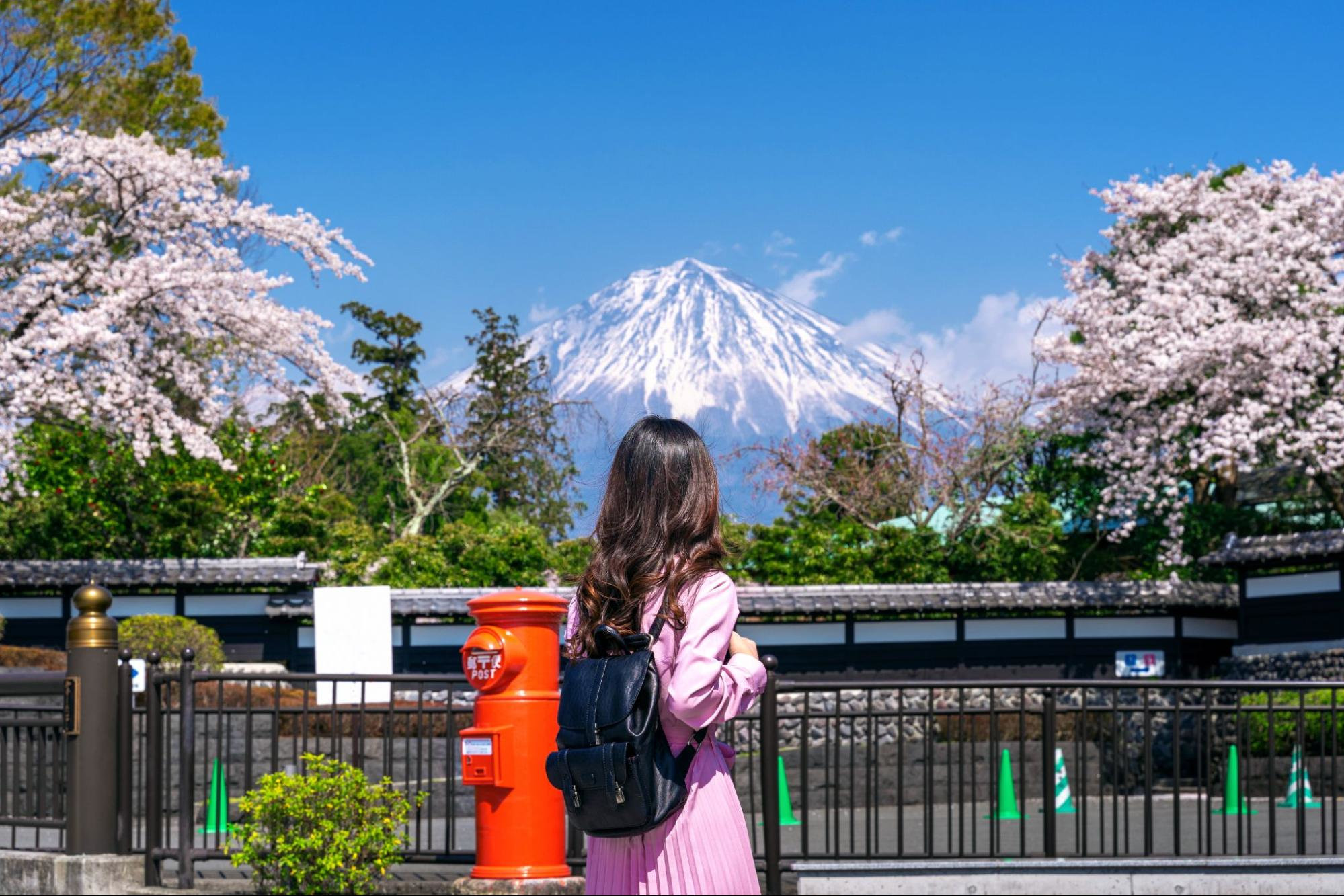
Mt Fuji consistently ranks among the best Tokyo day tours because it offers something truly iconic within a manageable distance. For many first-time visitors, seeing Mt Fuji in person is a bucket-list moment, and Kawaguchiko provides one of the most accessible and scenic viewpoints of the mountain.
That said, Mt Fuji is famously shy. Weather and visibility play a huge role in the experience. Clear mornings offer the best chance of seeing the peak, while afternoons often bring clouds, especially during warmer months. This unpredictability is one reason planning matters so much for first-time visitors.
Transport is another common challenge. Reaching Kawaguchiko from Tokyo usually involves train changes or limited direct services, and return timings can be tight. Missed connections can easily turn a smooth day trip into a stressful one.
Travel tips:
- Start early to maximise visibility and daylight
- Keep expectations flexible, as Mt Fuji views depend on the weather
- Consider door-to-door transport to avoid complex transfers
Hakone
Unlike Mt Fuji itineraries that focus on a single iconic landmark, a Mt Fuji-Hakone day trip is about the journey itself. A typical day trip may include a cruise across Lake Ashi, panoramic views from a ropeway, and gentle sightseeing through traditional towns. On clear days, Mt Fuji may appear in the distance, but it’s best seen as a bonus rather than the main highlight.
Hakone is ideal for travellers who prefer a slower pace. The atmosphere is calmer than Tokyo, and the attractions are designed to be enjoyed gradually rather than checked off quickly.
Travel tips:
- Choose a simplified itinerary instead of the full circuit
- Allow buffer time for queues at popular attractions
- Prioritise scenery and experience over quantity of stops
Nikko
Nikko is a favourite among travellers seeking culture, history, and natural beauty. Home to several UNESCO World Heritage sites, it offers a striking contrast to Tokyo’s modern cityscape and is often recommended when travellers ask what to do in Nikko.
The highlight of Nikko is its richly decorated shrines and temples, particularly Toshogu Shrine, set within a forested mountain environment. The combination of architecture and nature makes Nikko especially rewarding for those interested in Japanese history and traditional craftsmanship.
Nikko is also well-suited for families and older travellers. The area offers open spaces, cultural depth, and a quieter pace compared to Tokyo, making it one of the best day trips from Tokyo with kids.
Travel tips:
- Focus on the main shrine complex to avoid overload
- Wear comfortable walking shoes
- Plan transport carefully to minimise backtracking
Kamakura
Kamakura offers a relaxed coastal escape and is one of the easiest and most flexible day trips from Tokyo. With its historic temples, seaside atmosphere, and iconic Great Buddha, Kamakura feels approachable even for first-time visitors.
Travellers often research what to do in a day, and the answer lies in choosing a handful of key landmarks rather than trying to see everything. A visit typically includes the Great Buddha, one or two temples, and time to explore local streets or enjoy the coastal scenery. Kamakura works equally well as a half-day or full-day trip. Those short on time can focus on the main highlights, while others may extend their visit with lunch, shopping, or beachside strolls.
Travel tips:
- Focus on a few key landmarks instead of rushing between temples
- Ideal for travellers who want a shorter, less intensive day trip
- Pair cultural sights with café stops or coastal walks for variety
Which Tokyo Day Trip is Best for You?

When considering how to go to a specific place from Tokyo, it is helpful to plan according to what kind of travel you enjoy.
Here’s a quick guide by traveller type:
- First-time visitors: Mt Fuji and Hakone offer the most iconic “Japan” scenery and are often top picks for first-timers.
- Families with children: Nikko and Kamakura make for some of the best day trips from Tokyo with kids, thanks to open spaces, cultural learning, and less rigid schedules.
- Couples: Hakone’s relaxed pace, scenic rides, and onsen towns are perfect for couples seeking romance and downtime.
- Travellers with limited mobility or time: Kamakura or a well-planned Tokyo day tour with nearby highlights provides comfort without long travel days. (Kyoto day tours are also recommended for those who want an authentic experience without strain.)
How to Plan Tokyo Day Trips Without Stress
Planning day trips from Tokyo may seem straightforward at first, but many first-time visitors quickly realise how easy it is to feel overwhelmed once transport schedules, travel distances, and timing come into play.
One of the biggest mistakes first-time visitors make is trying to fit too many destinations into a single day, underestimating how long transfers take or assuming trains will always line up perfectly. While Japan’s public transport is efficient, navigating multiple lines, platforms, and ticket systems can be tiring — especially when travelling with children or older family members. Short trips, especially, leave little room for delays or wrong turns, and even small disruptions can significantly reduce sightseeing time.
That’s why travelling in a private vehicle is recommended. For destinations like Mt Fuji, Hakone, or Nikko, having a local driver or guide can make a noticeable difference.
Advantages include:
- The driver is often familiar with traffic patterns, optimal routes, and realistic timing between stops, and can provide advice and recommendations as needed, not to mention ensure a smoother trip.
- A dedicated driver means plans can be adjusted on the day, whether due to weather, crowd levels, or personal pace.
- Travelling in a private vehicle removes the pressure of rushing for connections and offers space to rest between stops.
- There is room for spontaneous detours or longer stays at places you enjoy most, helping you make the most of your limited time outside Tokyo.
Make the Most of Your Time Beyond Tokyo
Tokyo’s biggest advantage is how effortlessly it connects you to diverse experiences from sacred shrines to mountain landscapes and coastal towns, all within a single day. The difference between a rushed outing and a memorable journey often comes down to thoughtful planning and realistic expectations.
For travellers who want comfort, flexibility, and efficient use of time, private day tours can make a real difference, especially when working with a trusted Japan travel agency with experience in Singapore, Malaysia and the region.
JST Holiday specialises in private, customisable day tours across Japan, tailoring day trips to your travel style, so you can just enjoy the journey.